
What to Pack for Manali, by Season
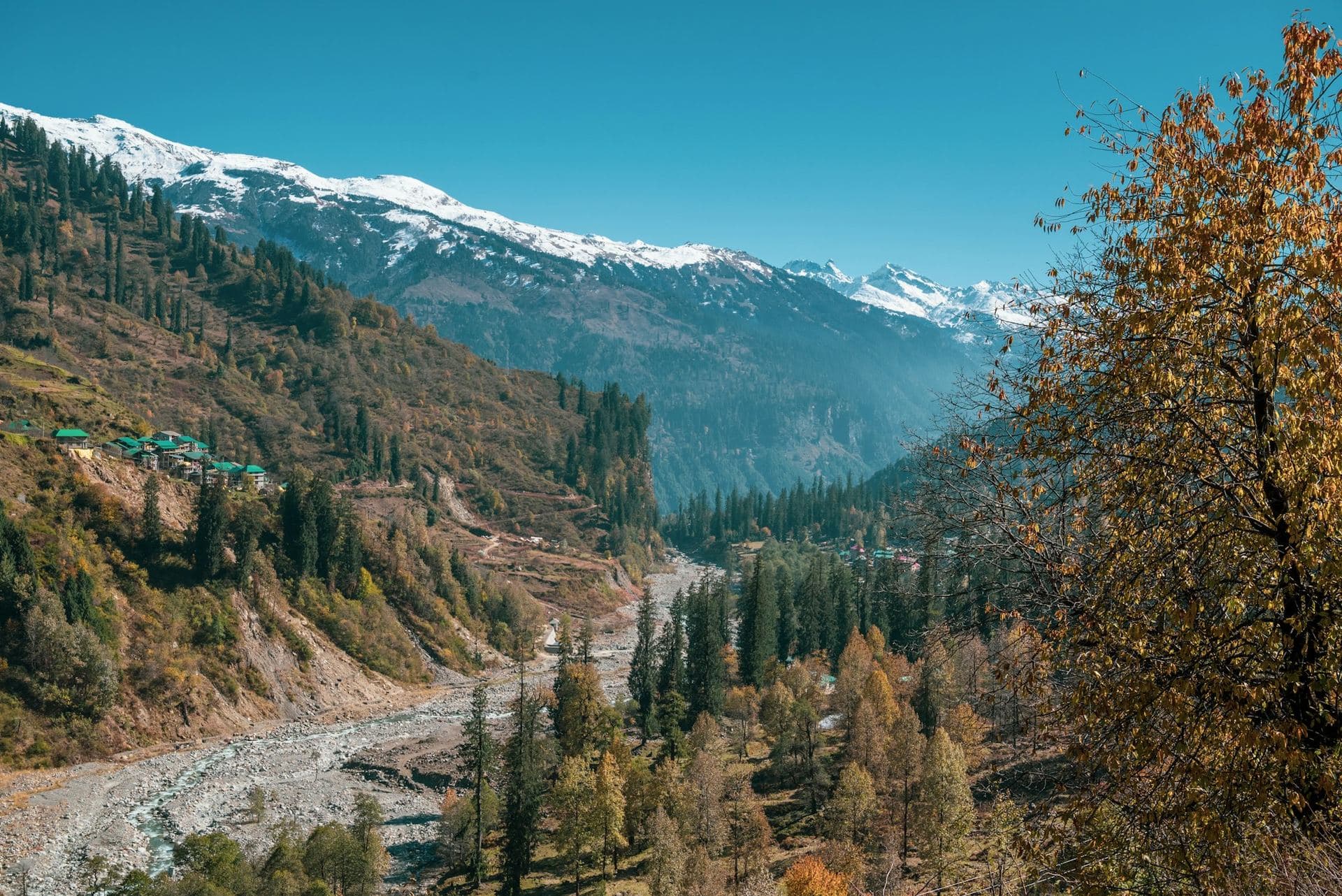
Pack for Manali by season: December to February needs a proper down jacket, thermals, waterproof boots and gloves for sub-zero mornings; March to April wants layers for 5-20°C swings; May to June is light cottons plus one fleece for cool evenings; July to September demands a rain shell and grippy shoes; October to November means warm layers again as nights drop near freezing.
We planted our first apple saplings here in 2021, and since then we've spent every month of the year in this valley — the Badgran stretch about 14 km south of Manali town, and higher up at Shanag near Bahang toward Old Manali and Solang. That means we've also watched a lot of guests unpack. The single most common mistake isn't the jacket. It's the shoes. People pack for the postcard and forget that a Manali morning in the same week can be 4°C at our Shanag lawns and a sweaty 22°C by the time they're walking Mall Road at noon.
So this is the list we actually give people over WhatsApp when they ask. Not a generic 'carry warm clothes' line — the real month-by-month version, with the reasons behind it, because the reason is what helps you pack light and still get it right.
The one rule that survives every season: layers
Manali sits at roughly 2,050 m in the town, and our two homes sit a little on either side of that — Badgran a touch lower and warmer, Shanag higher and closer to the snow line. At this altitude the temperature doesn't hold steady through a day the way it does in the plains. The sun is strong; the shade and the wind are cold. A single thick jacket is the wrong tool because you'll roast in it by 11 a.m. and then have nothing left when the sun drops behind the ridge around 5.30.
Think in three layers you can add and shed: a base (thermal or a plain full-sleeve tee), a mid (fleece or a light sweater), and a shell (a down jacket in winter, a rain jacket in monsoon, a windcheater the rest of the year). That system covers you from a frosty balcony breakfast to a warm midday drive to Solang without you carrying a suitcase full of specialised gear.
Deep winter: December, January, February
This is the season people romanticise and under-pack for. In December the valley floor at Badgran typically runs about 8-12°C by day and 1-4°C at night; by mid-January and into February the nights regularly sit below zero, and up at Shanag it's colder still. Snow on the lawns is common through January. The orchard road ices over in patches by mid-December, and mornings are genuinely, bone-deep cold before the sun clears the far ridge.
What you actually need for December through February:
- A real down or heavy insulated jacket — not a fashion puffer. This is the one item worth spending on.
- Thermal inners, top and bottom. Two sets so one can dry while you wear the other.
- Waterproof boots with grip. Canvas sneakers and 'white shoes' are how people end up with wet, freezing feet on snow — we've lent out more than one pair of our own socks.
- Woollen socks (carry three-plus pairs), a warm cap that covers the ears, and insulated gloves. Fingers and ears go first.
- A muffler or neck gaiter, and lip balm plus a thick moisturiser — the cold air here is dry and it cracks lips and knuckles fast.
- Sunglasses. Snow glare on a clear January day is no joke.
“Every winter someone lands in Manali in sliders or thin canvas shoes because it was 20°C in Delhi that morning. We keep a spare pair of gumboots by the door for exactly this. Please don't rely on our gumboots — bring proper boots and enjoy the snow instead of tiptoeing around it.”— A note from the hosts
One honest note: if you're chasing snowfall, aim for January to early February, but keep your plans loose. Heavy snow can slow the road, and the higher passes and Rohtang stay shut in winter anyway. Our rooms are cosy and warm, both homes run 24x7 hot water and power backup, and the bonfire is the whole point of a cold evening — so a snowed-in day here is a feature, not a loss. Pack a book.
Spring: March and April
Spring is our favourite and the trickiest to pack for, because the swing within a single day is the widest of the year. Days climb to a pleasant 15-20°C while nights still drop to 3-8°C, and up at Shanag you can watch the last of the snow melting off the far slopes while the apple and cherry blossom comes out on the lower orchards. It's beautiful and it fools people into leaving the warm layers at home.
Pack for two temperatures at once. Daytime is fleece-and-jeans weather; you'll want a good sweater or a light down layer for the mornings and the moment the sun goes. Regular walking shoes are fine now — the ice is mostly gone from the valley floor — but keep them closed-toe. Carry a compact umbrella or a light rain jacket because a spring shower is common, and sunscreen, because the high-altitude sun in a clear March sky burns faster than you'd expect.
Summer: May and June
This is peak season, and for good reason — while the plains are melting, our valley is doing 20-28°C by day. This is the lightest packing of the year. Cottons, half-sleeves, comfortable walking shoes, a hat and sunscreen for daytime. But — and guests get caught by this every single May — the evenings still cool right down to 12-16°C, and it's cooler again at Shanag. So one fleece or a light jacket is non-negotiable even in June. People pack like it's a beach holiday, then shiver at the bonfire in a t-shirt.
If your summer plan includes the high ground — Solang, the Atal Tunnel, Sissu, or up toward Rohtang once it opens — carry warm layers for that day regardless of how warm the valley is. There's still snow to play in up there in May, and the operators who rent snow boots and jackets at Solang charge for what you could have simply brought. A small daypack for these day trips keeps the warm stuff with you without hauling your whole bag.
The summer footwear trap
Even in summer, if you're doing any of the short walks around us — the orchard paths, a village walk, the trail toward Jogini Falls near Vashisht — closed grippy shoes beat sandals. The paths are stony and can be muddy after an afternoon shower. Save the flip-flops for the room.
Monsoon: July, August, into September
Monsoon is the season most people skip and the one we quietly love — the valley is greenest, the crowds thin, and our kitchen leans into the rainy-day food. But it needs the most deliberate packing, because rain here isn't a light drizzle, it's proper Himalayan monsoon. Days sit around 18-25°C, so it's not cold, but wet.
- A proper rain jacket or poncho, not just an umbrella — hill rain comes sideways with the wind.
- Waterproof or quick-dry footwear with real grip, plus a spare pair, because wet shoes take days to dry in humid air.
- Quick-dry synthetic clothes rather than heavy cotton and denim that stay damp.
- A dry bag or a few zip-lock pouches for your phone, power bank and documents.
- A light fleece for the cooler wet evenings.
The one real caution for monsoon: landslides and roadblocks are a genuine possibility on the Kullu-Manali highway in July and August, so build slack into your travel days and check the road before you set off. We keep an ear to the ground on conditions and are happy to advise our guests over WhatsApp before you drive up. Being just a minute off the highway at Badgran means we're easy to reach even on a slow-traffic day.
Autumn: late September, October, November
Autumn is apple harvest, clear skies, and — for our money — the most photogenic light of the year over the orchards. Late September and October are mild, 12-22°C by day, dropping to a crisp 4-10°C at night. By November the nights are cold again, flirting with freezing, especially up at Shanag, and it's the front edge of winter's approach. Pack like spring in reverse: light layers for the day, a warm jacket and a cap for the evenings, closed walking shoes. If you're coming in November, lean warmer — bring the thermals back out. The bonfire season is fully on by then and the evenings are made for it.
Medicines and the small stuff nobody remembers
We're not doctors, and there's a doctor on call for our guests if anything comes up, but a few things are worth carrying whatever the season. Altitude here in the town and at our homes is moderate and most people are completely fine, but if your plans go higher — Rohtang, the tunnel side, a trek toward Hampta or Bhrigu — a headache or breathlessness can happen, so take the first day slow, drink water, and don't gorge on a heavy first lunch.
- Personal prescription medicines — carry enough, because a specific brand isn't guaranteed at the local pharmacy in Manali.
- Basic kit: paracetamol, something for an upset stomach, motion-sickness tablets (the ghat road from Kullu is windy and kids especially feel it), a mild painkiller and any anti-allergy you use.
- Sunscreen and lip balm in every season — the sun is stronger at altitude than it feels.
- A power bank; hill power can flicker in storms even though both our homes run backup.
- Cash. Card machines and UPI work in town but can be patchy in the villages and on day trips, and small vendors, dhabas and some activity operators still prefer cash.
And two things people forget in every season: an offline map or downloaded directions, because mobile network drops in patches on the drive up and in the higher villages; and a reusable water bottle, because you'll drink more than you expect at altitude and our kitchen will happily keep filling it.
Packing by why you're coming
If you're here for the snow, winter boots and gloves are the whole game. If it's a summer family trip, pack light but carry one warm layer per person for the bonfire and the high-ground day trips. Honeymooners and couples: it gets cold enough in the evenings most of the year that the nicest thing you can pack is a warm layer you don't mind sharing on the balcony. Trekkers heading for Hampta or Bhrigu have their own kit list and know it — just remember the valley base needs different clothes than the pass. And if you're bringing your dog, as many of our guests do, remember they feel the winter cold too — a coat for short-haired breeds and a towel for muddy monsoon paws goes a long way.
Whatever the month, message us before you drive up and we'll tell you honestly what the weather's doing at both homes that week. It's a lot easier to pack the right jacket when someone standing in the orchard tells you whether there's snow on the lawn.

Written by the family that runs Persimmon Farmstead — the two boutique hotels near Manali. We write about the valley the way we'd tell a friend at the kitchen table.
Good to know
What should I pack for Manali in winter?
For December to February, pack a proper down or heavy insulated jacket, thermal inners (two sets), waterproof boots with grip, woollen socks, insulated gloves, an ear-covering cap and a muffler. Nights fall below zero and snow is common, so avoid canvas sneakers. Add sunglasses for snow glare and lip balm for the dry, cold air.
Do I need warm clothes for Manali in summer?
Yes, one warm layer even in May and June. Daytime is mild at 20-28°C and calls for cottons and walking shoes, but evenings cool to 12-16°C, and it's colder near the bonfire and at higher spots like Solang. Carry a fleece or light jacket, plus warm gear for any day trip toward the Atal Tunnel or Rohtang, where snow lingers.
What shoes are best for Manali?
Closed, grippy walking shoes in every season; waterproof boots with good grip in winter and monsoon. The most common packing mistake we see is canvas sneakers or sandals on snow or muddy paths. Orchard walks, village trails and hikes near Vashisht or Jogini Falls are stony and often wet, so save sandals for the room.
What medicines should I carry to Manali?
Carry your personal prescription medicines in sufficient quantity, as specific brands may not stock locally. Add paracetamol, an upset-stomach remedy, motion-sickness tablets for the winding ghat road, a mild painkiller, anti-allergy tablets, sunscreen and lip balm. Most people handle the moderate altitude fine, but take the first day slow if heading higher, and there's a doctor on call for guests.
When is the best time to visit Manali for snow?
January to early February is the most reliable window for snow on the valley floor, with the higher slopes and our Shanag lawns holding snow longest. December can deliver early snowfall too. Keep plans flexible, as heavy snow can slow the highway and the high passes stay shut in winter. Pack a down jacket, waterproof boots and gloves.
Tell us your dates. We'll confirm, personally.
You send a request, a real host confirms it by WhatsApp — usually within a few hours.