
Trek Prep & Packing for Manali: A Host's Real Checklist
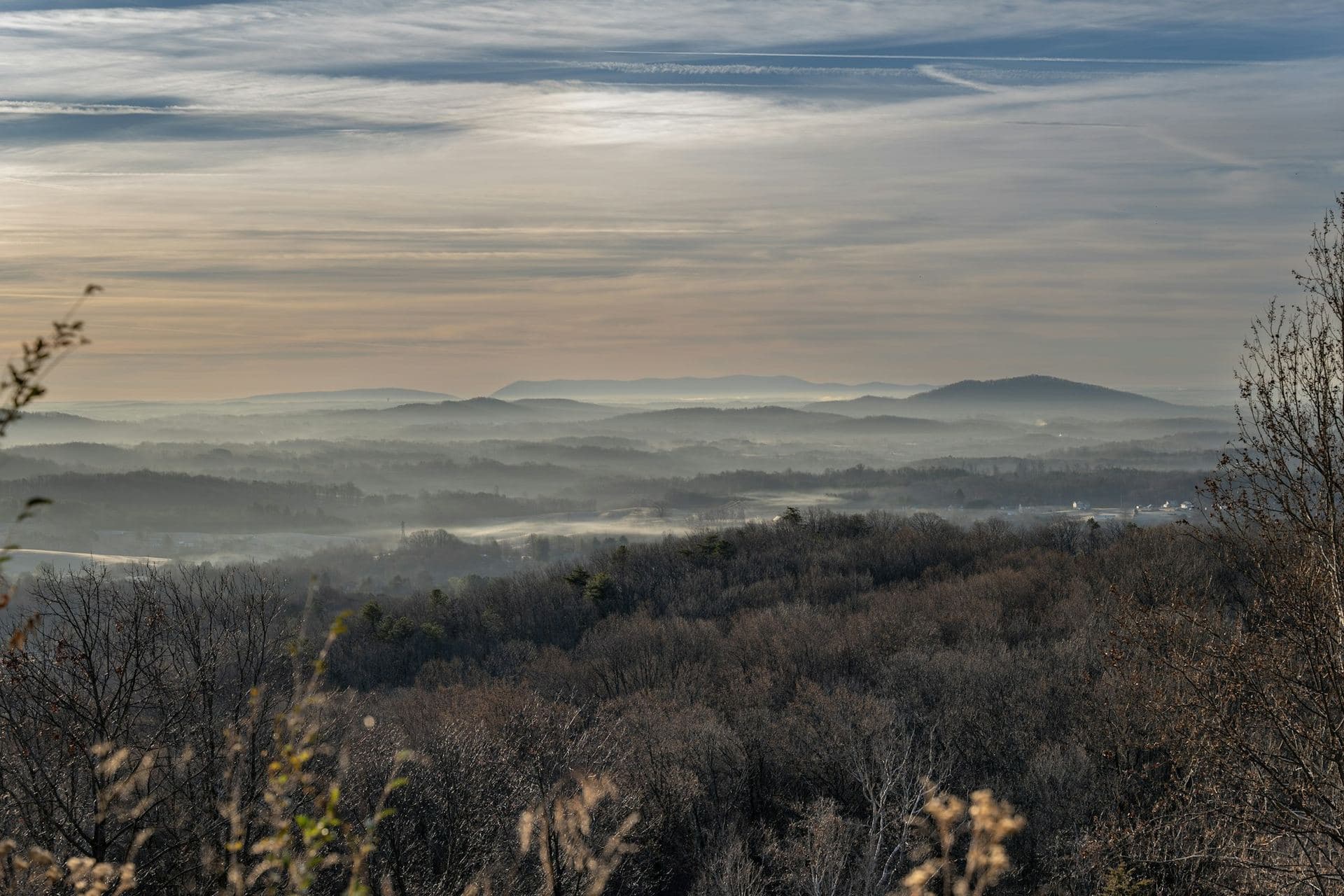
To prepare for a Manali trek like Hampta Pass, Bhrigu Lake or Lamadugh, give yourself four to six weeks of cardio and uphill walks with a loaded pack, arrive in the valley a day or two early to acclimatise near 2,050 m, and pack a three-layer clothing system, broken-in waterproof boots and a 0°C sleeping bag. Climb slowly, drink often, descend if altitude sickness sets in.
We didn't move to the Kullu valley to run a trek company. We came for the orchard and the kitchen. But when you host people for a few summers at the foot of these mountains, you end up sending a lot of them up the trails, and you learn what a guest looks like when they come back happy versus what they look like when they come back with a story that starts, ‘so on the second night at the campsite…’ Most of the bad stories trace back to the same three things: not enough training, the wrong clothes, and going up too fast. All three are fixable before you ever leave home.
This is written for the classic treks people ask us about from our two homes — Hampta Pass (around 4,270 m at the pass, four to five days), Bhrigu Lake (the lake sits near 4,300 m, two to three days), and the gentler Lamadugh (about 3,350 m, doable as a long day or an easy overnighter). Manali town sits near 2,050 m; our Shanag home is a little higher, closer to the snow line and the Solang road. Whichever you pick, the prep is broadly the same. Here's how we'd get you ready.
Build the fitness weeks before you arrive
The single biggest predictor of whether a first-timer enjoys Hampta or suffers through it is what they did in the four to six weeks before they showed up. You do not need to be an athlete. These are walking treks, not climbs — no ropes, no technical scrambling. But you'll walk five to seven hours a day on uneven ground, carry a daypack, and do it while your body is short of oxygen. A sedentary person who trains sensibly for a month will out-perform a gym regular who never walks uphill.
Start with cardio you'll actually keep doing — brisk walking, jogging, cycling, stairs, skipping. Three to four sessions a week, thirty to forty-five minutes, enough that holding a conversation gets difficult. Then, and this is the part people skip, do at least one weekly session of uphill walking with a loaded backpack. Put six to eight kilos in a rucksack, find a stadium staircase or a slope or a treadmill on incline, and walk. Your legs need to remember what carrying weight uphill feels like, and your shoulders and back need to make peace with the pack before day one.
The other thing nobody trains and everybody regrets: descending. On Hampta the drop after the pass into the Spiti side is long and punishing on the knees, and the snow-and-scree descents are where tired legs give out. Add downhill walking to your training — down staircases, down slopes — and consider a pair of trekking poles, which take a real load off the knees on the way down.
A simple four-week build
- Week 1: 30-min brisk walk or jog x3, plus one 45-min hill walk with an empty daypack.
- Week 2: add a fourth cardio session; hill walk now with 4–5 kg in the pack.
- Week 3: lengthen hill walks to 60–90 minutes with 6–8 kg; add downhill practice and some stairs.
- Week 4: keep it up but taper the last three days before travel — arrive rested, not sore.
- Throughout: one session of squats, lunges and calf raises a week to bank leg strength.
Acclimatise before you climb
Altitude is the thing that turns a fit, well-packed trekker into someone lying in a tent with a splitting headache. Manali at roughly 2,050 m is already high enough that people flying or driving in fast can feel it, and you'll be sleeping above 3,500 m within a day or two of starting. Your body needs time to make more red blood cells and adjust, and that time cannot be rushed by willpower or fitness.
Our standing advice: reach the valley at least one full day before your trek starts, ideally two. Spend that time low and easy — a gentle walk through the orchards, a short stroll to Old Manali or Vashisht from town, plenty of water, no alcohol, an early night. This is where basing yourself near Manali before you head to the trailhead genuinely helps; you arrive, you settle, you let the altitude do its slow work over a proper night's sleep and a big breakfast, instead of stepping off a night bus straight onto the trail. On the mountain itself the rule is the same one every good guide repeats — climb high, sleep low where you can, and never rush the gain.
“We've had guests roll in off the overnight Volvo, drop their bags, and want to leave for Hampta the same afternoon. We always gently talk them out of it. One quiet day in the valley — a walk, a proper thali, an early night — is the cheapest altitude insurance there is, and it's the difference between enjoying the pass and enduring it.”— A note from the hosts
The layering system that actually works
Mountain weather here does not care about the forecast. On the same June day you can start a Hampta morning in a t-shirt at the meadow, get sleeted on at the pass by afternoon, and shiver through a night that drops near or below freezing. Cotton is the enemy — once it's wet from sweat or snow it stays wet and cold. The answer is layers you add and shed through the day, all synthetic or wool, never cotton against the skin.
Think of it as three jobs. The base layer moves sweat off your skin — a synthetic or merino wool t-shirt and thermals. The mid layer traps warmth — a fleece or a light down jacket. The outer layer blocks wind and rain — a proper waterproof, breathable shell, jacket and over-trousers. Carry all three even in summer, because the pass and the campsites are a different world from the trailhead. In winter or shoulder season, double up the warm mid-layers.
The gear checklist we'd hand you
- Footwear: broken-in waterproof trekking boots with ankle support (not running shoes); camp sandals or floaters for evenings; 3–4 pairs of synthetic/wool socks plus a spare dry pair sealed in a bag.
- Clothing: 2 base-layer tops, thermal top and bottom, a fleece, a light down/insulated jacket, a waterproof shell jacket and over-trousers, 2 quick-dry trek trousers, warm hat, sun hat/cap, buff, and warm gloves plus a waterproof outer glove.
- Sleep & shelter: a sleeping bag rated to around 0°C (colder for winter/high camps) — check whether your operator provides tents and mats so you don't carry doubles.
- Pack: a 40–50 L rucksack with a rain cover, plus a small daypack; a few dry bags or zip-lock bags to keep clothes, phone and documents dry.
- Essentials: 2 x 1 L water bottles or a hydration bladder, a headtorch with spare batteries, trekking poles, high-SPF sunscreen, SPF lip balm, UV sunglasses (vital on snow), and a personal first-aid kit with any regular medicines, blister plasters, painkillers and rehydration salts.
- Nice to have: quick-dry towel, wet wipes, hand sanitiser, power bank, energy bars and dry fruit, a small roll of duct tape, and a reusable food box and spork to cut trail waste.
On boots, we'll say it twice because it matters twice: wear them on your training walks. A brand-new boot bought the day before, however good, is a blister factory on day two. Blisters end more treks than altitude does. And if you'd rather not buy the bulky items, Manali town rents tents, sleeping bags and poles at reasonable daily rates, and most reputable operators fold camping gear into the trek price — confirm exactly what's included before you pack, so you're not hauling a spare of everything.
Reading and respecting altitude sickness
Acute Mountain Sickness is common above about 3,500 m and it is nothing to be embarrassed about — fitness doesn't make you immune, and some of the strongest trekkers we've hosted have felt it worst. The early signs are a headache that won't shift, nausea, dizziness, unusual breathlessness at rest, loss of appetite and broken sleep. Mild symptoms often settle if you stop climbing, rest, hydrate and eat. What you must not do is push higher while feeling worse.
The one treatment that always works is descent. Going down even three or four hundred metres usually turns things around fast. This is exactly why you trek these routes with a registered local guide or a proper operator rather than solo — an experienced guide reads these situations early, knows the escape routes off Hampta and Bhrigu, and makes the call to turn around before a headache becomes an emergency. Drink water steadily through the day, skip the alcohol entirely at altitude, keep eating even when you don't feel like it, and tell your guide honestly how you're feeling. The mountain will still be there next year; a summit is never worth a hospital.
Leave the trail the way you'd want to find it
We say this as people whose livelihood and daily view depend on these valleys staying clean. The meadows of Hampta and the shore of Bhrigu Lake are already carrying more footfall than they were built for, and it shows in the litter that collects at popular campsites. Pack out every scrap you bring in — wrappers, bottles, foil, everything, including the biodegradable stuff, which does not break down quickly in the cold. Carry a small trash bag and treat it as non-negotiable.
- Carry a refillable bottle instead of buying single-use plastic; ask your operator about safe water refills or a filter.
- Use established campsites and toilet spots; where there's no toilet, bury waste well away from water sources and pack out the paper.
- Keep to marked trails so the fragile alpine meadows aren't cut into new paths.
- Never feed or chase wildlife, and keep noise down — you're a guest up there too.
- If you see litter that isn't yours, pick up what you can. It genuinely helps.
Where we fit into your trek
Both our homes sit on the Kullu–Manali–Solang line, which makes them an easy base for the day before and the day after. Our Shanag home is the higher of the two, a short drive north of Manali toward Old Manali and Solang and closer to the snow line — handy for an early trailhead start and a gentle acclimatisation walk on the orchard lawns. The flagship at Badgran, about fourteen kilometres south of town, is the quieter, come-down-and-recover end of the trip: a real bed, endless hot water for tired legs, and a farm kitchen that will feed you the meal you've been fantasising about since the campsite dal. Our kitchen is a small family one, not a hotel line — but that's rather the point after four days of trail food.
We keep a travel desk at both homes and can point you to trek operators and guides we trust, help sort gear rental in town, and get your timing right so the acclimatisation day and the recovery day actually happen. Message us on WhatsApp at +91 62306 45166 or +91 99999 75545, or write to reservations@persimmonfarmstead.com, and tell us which trek you're eyeing — we'll help you plan the days on either side of it. Both homes are pet-friendly too, in case your training partner has four legs and is staying behind with a sitter this time.
Train for a month, arrive a day early, pack for three kinds of weather, go up slowly, and carry your rubbish back down. Do those five things and Hampta, Bhrigu or Lamadugh will give you the sort of trip you tell people about for years — the good version of the campsite story. We'll have the fire lit and the kitchen warm for when you come back down.

Written by the family that runs Persimmon Farmstead — the two boutique hotels near Manali. We write about the valley the way we'd tell a friend at the kitchen table.
Good to know
How fit do I need to be for Hampta Pass or Bhrigu Lake?
You need moderate fitness, not athleticism. Aim for four to six weeks of regular cardio plus weekly uphill walks carrying a 6–8 kg pack before you arrive. The descents and the sustained climb at altitude are harder than the distance suggests, so train your legs for going downhill too, not just up.
How many days should I arrive before a Manali trek to acclimatise?
Reach the valley at least one full day early, ideally two. Manali sits near 2,050 m and you'll sleep above 3,500 m within a day or two of starting. A gentle day near town — a short walk, lots of water, an early night — helps your body adjust and sharply reduces your risk of altitude sickness on the trail.
What's the most important item to pack for a Manali trek?
Broken-in waterproof trekking boots with ankle support. New boots or running shoes cause blisters and give way on snowy pass descents. Wear your actual trek boots on a few training walks at home first. After boots, prioritise a three-layer clothing system, a 0°C-rated sleeping bag and a waterproof shell jacket.
What are the signs of altitude sickness and what should I do?
Watch for headache, nausea, dizziness, breathlessness at rest and poor sleep above about 3,500 m. Drink plenty of water, avoid alcohol, climb slowly and eat well. If symptoms worsen, descend — going down even a few hundred metres is the most reliable cure. Trek with a registered guide who can judge these situations.
Can I rent trekking gear near Manali instead of buying it?
Yes. Tents, sleeping bags and trekking poles are widely available to rent in Manali town, and reputable trek operators usually include camping gear. Personal items — boots, base layers, rain shell, gloves, socks — are worth owning and breaking in yourself. Confirm exactly what your operator provides before you pack, so you don't double up.
Tell us your dates. We'll confirm, personally.
You send a request, a real host confirms it by WhatsApp — usually within a few hours.