
Rohtang Pass: Permits, Rules and Whether It's Worth It
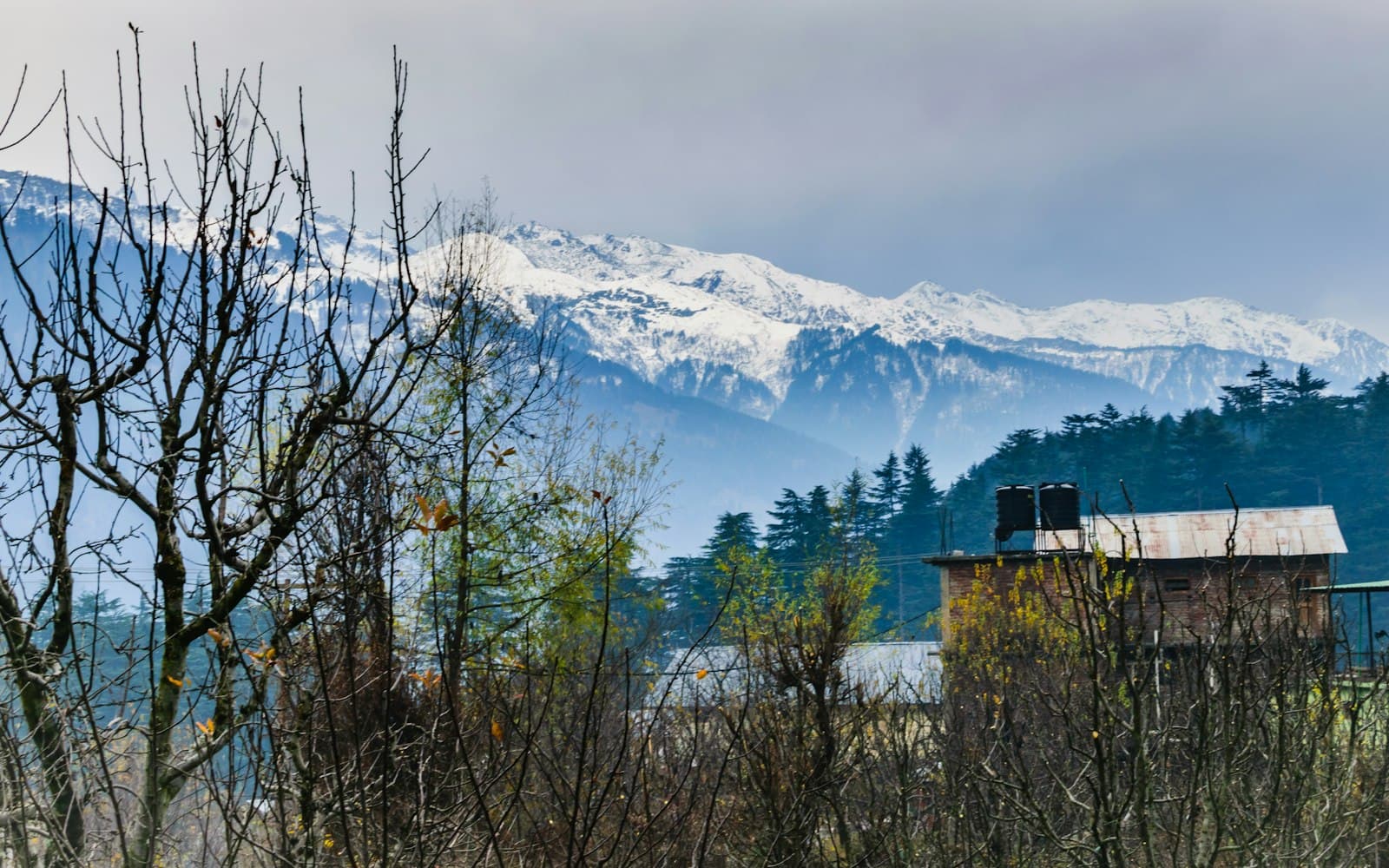
To drive to Rohtang Pass from Manali you need an online permit booked in advance on the Kullu district portal (rohtangpermits.nic.in), which costs roughly 500 rupees plus a 50-rupee green tax, and vehicles are capped at a daily quota — around 1,200 a day. The pass usually opens in May once the road is cleared and stays shut Tuesdays for maintenance.
Every May, once the snow-clearing crews get the road open, the questions start landing on our WhatsApp. "Do we need a permit for the snow?" "Can you book it for us?" "Is Rohtang even open?" We've answered these so many times from both our kitchens that it felt easier to just write the whole thing down. So here it is — Rohtang, explained by two people who've been sending guests up there since 2021, and who've also learned when to tell them not to bother.
First, the thing most people get wrong
Rohtang Pass and the Atal Tunnel are not the same trip, and confusing the two costs people a whole day. Rohtang is the old high pass at about 3,980 metres — the snow-point, the sledding, the yak photos, the reason your parents remember Manali the way they do. The Atal Tunnel is the newer 9.02 km tunnel that bores under the Rohtang massif and pops you out at Sissu in Lahaul in about ten minutes, no permit required. They branch off the same road above Gulaba. You pick one. We'll come back to which.
The reason the permit exists at all is the National Green Tribunal. Rohtang's alpine meadows were being churned to mud by unlimited traffic, so the courts capped it. That cap is why you can't just drive up on a whim — and why booking ahead in peak season genuinely matters.
How the online permit actually works
Permits are issued only online, through the Kullu district administration's portal at rohtangpermits.nic.in. There is no legitimate counter where you rock up and pay cash — anyone telling you otherwise near the Mall is selling you a headache. You register, upload the vehicle's registration and one photo ID for the driver, pick your date, and pay online.
The money is modest. The permit itself is around 500 rupees per vehicle, and there's a green tax of about 50 rupees on top. Where it gets tight is not the price — it's the quota. The administration releases a fixed number of permits per day, historically in the region of 1,200 vehicles (split across petrol and diesel), and in June and during long weekends those slots vanish fast. On a Saturday in peak season, next-day permits can be gone by the previous afternoon.
A few things worth knowing before you sit down to book:
- Book two to three days ahead in June and around any long weekend — same-day is a gamble you'll usually lose in peak season.
- The permit is tied to a specific date and vehicle. If your plans slip a day, that permit doesn't travel with you.
- Rohtang is closed to tourist traffic every Tuesday for road maintenance — don't plan your snow day for a Tuesday.
- Diesel vehicles older than the permitted emission norms are often refused; a self-drive rental sidesteps this since the agency's paperwork is already sorted.
- Carry a printout or a clear phone copy of the permit plus the ID you booked under — there's a check post above Gulaba and they do check.
If the online system defeats you — and honestly it defeats plenty of people, the site has its moods — our travel desk at both homes sorts this out routinely. A local taxi or a booked cab comes with its commercial permit handled, so most guests who want zero fuss simply take a taxi for the Rohtang leg and skip the portal entirely.
“We tell couples this all the time: if the point of the day is snow and photos, hire a local taxi for the Rohtang run. You lose nothing, the driver knows exactly where the good snow is that week, and nobody spends their honeymoon morning fighting a government website.”— A note from the hosts
When Rohtang opens — and why the date moves
There's no fixed opening day, and anyone who quotes you one is guessing. Rohtang typically opens to tourists in May, sometimes late April in a light-snow year, once the Border Roads Organisation's rotavators — the big rotary snow-cutters — have carved through the drifts and the road is declared safe. In a heavy winter, that clearing can run into mid-May.
It stays open through summer and usually into October or early November, when the first serious snowfall closes it again for the season. The Atal Tunnel, by contrast, stays open year-round in normal conditions, which is a big part of why the winter equation has changed so much.
Closures you can't predict
Even in season, Rohtang closes at short notice. A fresh dump of snow, a landslide, or fog can shut the pass for a day with almost no warning — the top is genuinely high-altitude weather and it does what it likes. The Tuesday maintenance closure is the only one you can plan around; the rest you find out about the morning of. This is exactly why we never let a guest build their entire trip around a single Rohtang day. If it's shut, you want a plan B that doesn't ruin the holiday.
Rohtang from our two homes — the real drive times
Where you're staying changes the maths, and our two farmsteads sit on opposite sides of Manali town.
From Persimmon Farmstead Shanag, near Bahang, you're already about 4–5 km north of Manali on the road that heads up toward Solang and the pass. That's a real head start — you're past the town's morning snarl before it forms. From our lawns, the climb to Gulaba, then Marhi, then Rohtang is roughly 45–50 km and, traffic permitting, two to two and a half hours up. In peak-season June that same stretch can crawl, so we push guests out the gate by 6 or 6:30 am with a packed farm breakfast.
From the flagship Persimmon Farmstead at Badgran, 14 Mile, you're about 14 km south of Manali town, so a Rohtang day means driving up through Manali first — add the town crossing to your timings and leave even earlier. It's very doable; guests do it constantly. It's just an honest hour more of road than from Shanag, which is worth knowing when you're deciding which of our homes to book for a snow-focused trip.
Green tax, and the little costs nobody mentions
Beyond the permit and the 50-rupee green tax, budget for the day's small extras so they don't surprise you. Parking at the snow points is charged. If you want the full tourist works — snow boots, a padded suit, a plastic sled, a plate of Maggi at 3,500 metres — you'll rent all of it up top from the vendors, and prices climb with the altitude. None of it is expensive on its own; it just adds up, and it's all cash. There's no reliable network up there, so carry notes.
One honest word on the vendors: the suits and boots are handy if you've come without warm layers, but the "guides" who attach themselves to your car and steer you to a specific snow patch aren't necessary. A decent taxi driver already knows where the clean snow is that week.
Rohtang or the Atal Tunnel? How we actually advise
This is the question that matters most, so here's our unvarnished take after years of watching guests do both.
Choose Rohtang if what you want is the classic high-pass experience — the switchbacks, the meadows, the sense of having climbed to a real mountain col at nearly 4,000 metres, and deep snow to actually play in during the shoulder months. It's the more dramatic drive. It's also the more fragile plan: permit, quota, Tuesday closure, weather. When it works, nothing beats it.
Choose the Atal Tunnel if you want reliability, no permit, and a different landscape entirely. Ten minutes under the mountain and you're in Lahaul at Sissu — a waterfall, a calm river, a monastery-quiet valley that feels nothing like the Manali side. In winter, when Rohtang is closed, the tunnel is how you reach snow at Sissu and Koksar without any permit at all. For families with small kids, for anyone short on time, and for winter trips, we point people at the tunnel more often than not.
And the best-kept secret: you don't have to choose forever. In summer, a fit early start lets you do a Rohtang morning and still be back down for a late Sissu afternoon through the tunnel — two completely different worlds in one long, good day. We'll map it to your dates on the travel desk and tell you honestly whether the snow that week is better up at Rohtang or down at Sissu.
Whichever way you lean, come back to a bonfire and a plate of something from our kitchen. That part we can promise regardless of what the pass decides to do.

Written by the family that runs Persimmon Farmstead — the two boutique hotels near Manali. We write about the valley the way we'd tell a friend at the kitchen table.
Good to know
Do I need a permit to visit Rohtang Pass from Manali?
Yes. Every private vehicle going up Rohtang needs an online permit booked in advance at rohtangpermits.nic.in, costing about 500 rupees plus a 50-rupee green tax. Daily numbers are capped by court order, so slots sell out in peak season. The Atal Tunnel to Sissu needs no permit at all.
When does Rohtang Pass open and close each year?
Rohtang usually opens to tourists in May, once Border Roads crews clear the snow, and closes again by October or November with the first heavy snowfall. Exact dates shift every year with the winter. It's also shut to tourist traffic every Tuesday for maintenance, so avoid planning a snow day then.
Can I get a Rohtang permit on the same day?
Sometimes, outside peak season, but it's risky. The daily quota of roughly 1,200 vehicles fills fast in June and on long weekends, often by the previous afternoon. Book two to three days ahead in peak season. If the portal frustrates you, a local taxi comes with its own commercial permit and skips the process entirely.
Is the Atal Tunnel a better option than Rohtang Pass?
It depends on your goal. The tunnel needs no permit, stays open year-round, and reaches Sissu in Lahaul in ten minutes — ideal for winter, families, and tight schedules. Rohtang gives the dramatic high-pass drive and deep shoulder-season snow, but comes with permits, quotas and weather closures. In summer you can do both in one day.
How far is Rohtang Pass from Persimmon Farmstead?
From our Shanag home near Bahang, it's roughly 45–50 km and about two to two-and-a-half hours up, since you're already north of Manali. From our Badgran flagship at 14 Mile, add an hour to cross Manali town first. Either way we send guests off early with a packed farm breakfast.
Tell us your dates. We'll confirm, personally.
You send a request, a real host confirms it by WhatsApp — usually within a few hours.