
The Cafés of Old Manali: A Walking Guide
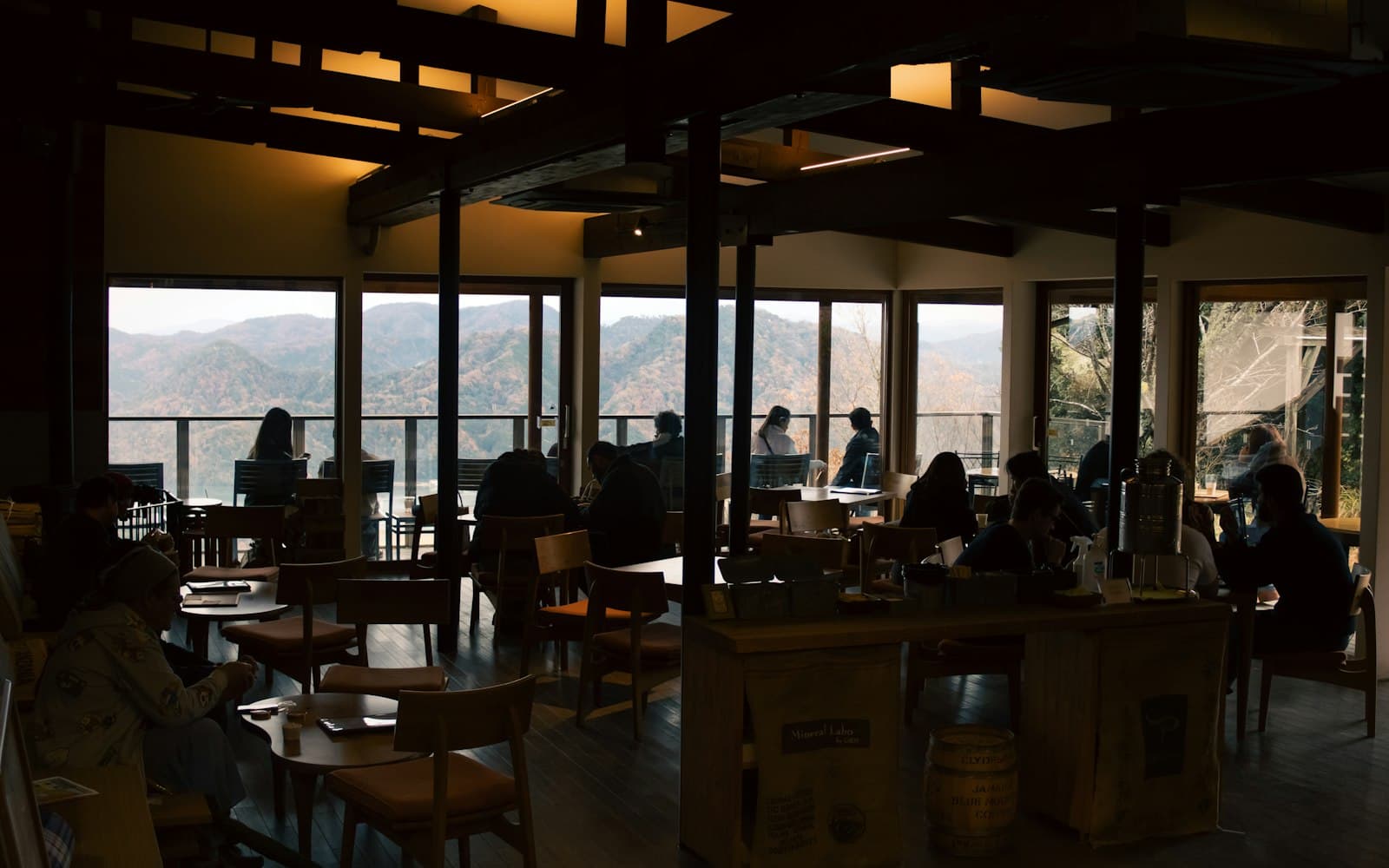
Ask us what to do on a spare morning in Manali and the answer is almost always the same: go up to Old Manali and walk. Not to any one place — the pleasure is the wandering, the lanes climbing away from the bridge, the smell of coffee and woodsmoke, the river always somewhere below you. Here's how we'd spend that morning.
Start at the bridge
Old Manali properly begins across the Manalsu bridge, where the new town's noise falls away and the lanes narrow. Come mid-morning rather than at dawn — the cafés open lazily — and simply start walking uphill. The first stretch is touristy; keep going and it gets better.
What to look for in a café here
The best spots in Old Manali aren't about the menu, which is fairly similar everywhere — Israeli platters, banana pancakes, wood-fired pizza, endless coffee. They're about the terrace. Look for one that opens toward the stream or the orchards behind, grab a corner, and stay longer than you meant to. That's the whole art of it.
- Sit on the river or valley side — the view is the point.
- Mornings are calm; the lanes fill up by afternoon.
- Carry cash — the smaller places are patchy on cards and network.
- Wear shoes you can climb in; the lanes are steep and cobbled.
Beyond the coffee
Keep climbing and Old Manali opens into orchards and old stone houses, the Manu Temple, and quieter paths toward Vashisht across the valley with its hot springs. You can easily turn a café morning into a half-day of gentle walking. If you've got the legs and the weather, the trail toward the Jogini Falls starts near here — a lovely, doable hike to a waterfall through the pines.
“The guests who love Old Manali most are the ones who came with no plan and let a café morning become a whole day.”— A note from the hosts
Getting there and back
From the Shanag house you're only a short hop away — genuinely walkable on a good day, a five-minute drive otherwise — which is exactly why it's our base of choice for people who want to dip in and out of Old Manali without committing to it. From Badgran it's a longer, pretty drive up the valley; make a half-day of it. Either way, tell us you're headed up and we'll point you at the lanes worth the climb that week.
The walk we'd map for you, lane by lane
If you'd rather not leave the whole morning to chance, here's the loop we sketch for guests. Cross the Manalsu bridge and take the main cobbled lane straight up — past the first run of signboards and rooftop cafés — for about ten minutes, until the crowd starts to thin. Where the lane forks near the old apple godowns, bear right and keep climbing toward the higher hamlet: this is where the stone-and-timber houses begin and the tour-bus crowd falls away. From the top, don't retrace your steps. Loop left along the upper path that skirts the orchards and you'll drop back down a quieter parallel lane that lands you near the Manu Temple. The whole circuit is barely two kilometres — you could rush it in forty minutes, but the point is not to. Give it two or three easy hours with coffee stops and you'll have seen the good half of Old Manali rather than just the souvenir strip.
The café archetypes — and what to order
The menus rhyme across Old Manali — someone somewhere decided every café should offer Israeli platters, banana pancakes and wood-fired pizza, and they all obliged. So we steer guests by the kind of room they want, not by name; places change hands and rename themselves between seasons anyway. A few types worth hunting down:
- The riverside breakfast terrace, cantilevered over the Manalsu and best before 11am — order eggs, a full pot of coffee and the honey-lemon-ginger pancakes.
- The German-bakery sort, with a glass counter of apple strudel, cinnamon rolls and dark rye — come for the baking and carry a loaf back to your room.
- The rooftop lounge: floor cushions, unhurried service, a valley view and a reggae playlist. An afternoon place, not a get-things-done one — order a lemon-mint and stay put.
- The wood-fired pizza corner, reliable after a long day out, with thin bases and the one kind of food that survives the drive home as a takeaway.
- The trekkers' chai-and-Maggi shack — no view, no frills, the plainest hot lunch on the lane and the best eavesdropping on where everyone's headed next.
When Old Manali is alive — and when it's shut
Old Manali runs on a season, and it's worth knowing which one you're arriving in. From roughly April to early November the lanes are fully awake — every café open, the bakeries going, live music on some nights, and by peak May–June and the Christmas–New Year stretch, genuinely packed. Come mid-November and the place starts to shutter: a lot of the café owners are seasonal, some from Delhi or further afield, and they close up and leave once the cold sets in. By deep January a fair number of shutters are down, though a handful stay open all winter for the regulars. Want the lanes at their most alive? Come in the shoulder weeks of April–May or late September–October. Want them quiet and half-yours? A clear December morning up there has its own reward — just don't expect every door open.
Manu Temple, and the stream below
The Manu Temple sits at the very top of the village, and it's worth the last uphill push even if you've had your fill of temples elsewhere in the valley. It's a modest wooden shrine to the sage Manu — by local telling the only temple to him in India, and the reason some read 'Manali' as the home of Manu. It's a living village temple rather than a monument, so treat it that way: shoes off at the step, voices down, no photos inside. Honestly the lane up to it is half the pleasure — old carved houses, corn drying on balconies, cats asleep on warm stone.
Below all of it runs the Manalsu, the snow-fed stream that gives Old Manali its soundtrack. It joins the Beas a little downstream, and it's cold and fast — lovely to sit above with a coffee, not something to wade into casually, especially in early summer when the melt is running high. The little footbridges over it are the best free view in the village, and the reason the riverside terraces charge what they do.
“Half our guests go up for the coffee and come back talking about the walk to the temple. That's Old Manali working exactly as it should.”— A note from the hosts
Shopping the lanes without getting fleeced
The strip between the bridge and the fork is where the shopping lives, and it's a mix. There's genuinely good stuff — hand-knit woollens and Kullu-pattern shawls, silver, secondhand books, locally pressed apple and apricot preserves, the odd real craft shop. There's also a lot of the same mass-made harem pants and dreamcatchers you'll meet in every hill town from here to Kasol. Our rule of thumb: buy the woollens and the food, be sceptical of anything sold to you as pashmina at a too-good round number, and always ask the second price before the first one sticks. For a Kullu shawl you'll actually keep, we'd rather send you to the government weavers' outlets down in the main valley — tell us and we'll mark them on your map.
Crowds, parking, and a couple of honest warnings
A few honest warnings we always pass on. Parking first: there's essentially none inside Old Manali, because the village is walk-in only. Cars stop on the new-town side before the bridge, and in peak season even that lot fills by late morning. Come up early or let us drop you. Second, the afternoon crush — a calm café lane at 10am is a slow-moving crowd by 3pm in high season, and the single road in and out bottlenecks badly on May–June and long-weekend evenings. And the obvious one: this is a place where certain things get offered openly to tourists. It's still illegal, the checkposts are real, and it's simply not a risk worth taking on a holiday.
Folding it into a farmstead day
The way we'd actually build the day: café morning up top, then back down the valley to us for the afternoon and evening. Old Manali is a wonderful few hours and a tiring full one — loud, uphill, and short on anywhere quiet to land once the crowds arrive. Pairing it with the farm fixes exactly that. Walk the lanes and drink the coffee while they're calm, buy your loaf and your shawl, then swap the crush for an orchard and an unhurried lunch. From the Shanag house you're back in ten minutes; from Badgran it's the long, easy road south with a bonfire at the end of it. The buzzy village in the morning and the quiet farm by afternoon — that contrast is Manali in miniature, and it's the day we'd plan for you.

Written by the family that runs Persimmon Farmstead — the two boutique hotels near Manali. We write about the valley the way we'd tell a friend at the kitchen table.
Good to know
Is Old Manali walkable from Persimmon?
From the Shanag house, yes — it's a short walk or a five-minute drive to the Old Manali bridge, which is why we recommend it for café mornings. From the Badgran Farmstead it's a longer, scenic drive up the valley, better planned as a half-day outing.
Are the cafés in Old Manali open in winter?
Many aren't. A large share of Old Manali's cafés are seasonal, run by owners who close up and leave once the cold arrives around mid-November, so by deep January a good number of shutters are down. A handful stay open all year for the winter regulars, and a clear December morning up there is quiet and lovely — just come expecting a village at half-strength rather than the full summer buzz. Peak café season is roughly April to early November.
Where do you park for Old Manali?
You don't park inside Old Manali — the village is effectively car-free, with narrow cobbled lanes you walk into on foot. Vehicles stop on the new-Manali side just before the Manalsu bridge, where there's paid parking that fills by late morning in peak season. The simplest option is to be dropped near the bridge and walk up; if you're staying with us at Shanag it's a five-minute run and we'll sort the drop so you never touch the parking scramble.
How long should I spend in Old Manali?
Two to three hours is the sweet spot for a café morning and a wander up to the Manu Temple, and that's how most of our guests do it. You can stretch it to a half-day if you add the walk toward Jogini Falls or a slow lunch, but Old Manali rewards a relaxed morning more than a full day — the lanes get crowded and tiring by afternoon, which is exactly when we'd steer you back down the valley to the farm.
Tell us your dates. We'll confirm, personally.
You send a request, a real host confirms it by WhatsApp — usually within a few hours.