
A Winter Itinerary for Manali: Snow, Sissu & Warm Orchard Evenings
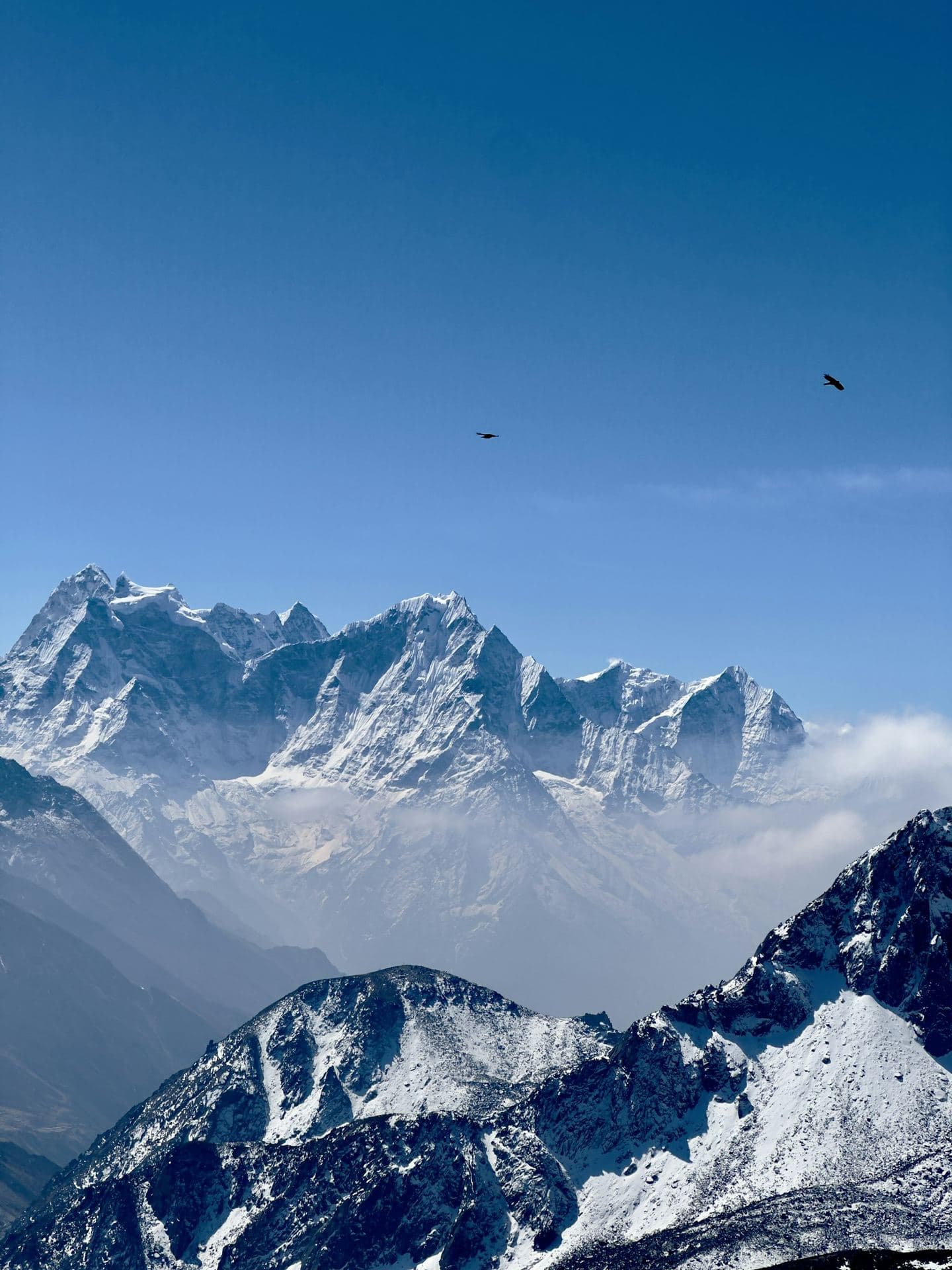
A good Manali winter itinerary (December to February) runs 3 to 4 days: keep Rohtang off the list because it stays closed, drive through the Atal Tunnel to Sissu on the first clear day, spend a morning at Solang for snow, and slot the temple-and-market days for when it snows in town. Book warm rooms and plan loosely — mountain weather writes the real schedule.
We run two family homes on the Kullu–Manali axis, and winter is the season we get asked about most and the season people plan worst. Everyone arrives wanting the same postcard: snow falling on the deodars, a bonfire, a hot plate of food. All of that is genuinely here from roughly mid-December. What trips people up is the assumption that Manali in winter works like Manali in June. It does not. Roads close, some of them for the season, and a day you budgeted for one thing turns into a day the mountain decides for you. So this is less a rigid plan and more the way we actually talk it through with guests over the first breakfast.
First, the honest part: what is closed
Rohtang Pass is shut in winter. Full stop. It usually closes with the first heavy snow in late November or early December and does not reopen until roughly May, once the Border Roads Organisation clears it. If a taxi driver or a hotel promises you "Rohtang snow point" in January, they mean somewhere else — often Solang or the Gulaba area — and you should know that going in. The Atal Tunnel is the thing that changed winter here: it runs under the Rohtang massif and stays open most of the season, which is how you reach Sissu and the Lahaul side even in deep winter.
A few other honest notes before you plan. Snow in Manali town itself is not guaranteed on any given date — some years the first town snowfall is early December, some years it is late January. Higher up, toward Solang and our Shanag home, the odds are better and earlier. And after fresh, heavy snow the authorities sometimes shut the tunnel or the Solang road for a few hours to clear it. That is not a ruined trip; it is a morning by the fire while the ploughs work.
Where to base yourself
This matters more in winter than any other season. Our flagship home sits at Badgran, "14 Mile", about 14 km south of Manali town on the Kullu–Manali highway, a minute off the road opposite Span Resort. Being lower and on the main highway, it holds the morning sun beautifully and stays the more reliably accessible of the two when snow is heavy — the highway gets cleared first. If your priority is warm rooms, easy in-and-out, and food after a long drive, this is the sensible winter base.
Our second home, Persimmon Farmstead Shanag, is 4–5 km north of Manali toward Old Manali and Solang, higher up and closer to the snow line. The wooden chalets and stone cottages on the orchard lawns get snow earlier and hold it longer, which is romantic and also means you plan around it. Couples chasing snow-from-the-window pick Shanag; families who want the fewest logistics pick Badgran. Both have in-house farm kitchens, bonfires, 24x7 hot water, free wifi, a travel desk and free parking — the things that actually matter when it is cold outside.
“We tell people the truth on the phone: if it dumps snow the night before you arrive, the last stretch to Shanag may need a slow, careful drive, while the Badgran house barely notices. Neither is a problem if you know it in advance. The problem is only ever the surprise.”— A note from the hosts
Day 1 — Arrive, settle, and read the sky
Most guests reach us in the afternoon after the long haul up from Delhi or Chandigarh (roughly 12–14 hours by road, longer in winter if there is snow on the Kullu stretch). Do not schedule anything on arrival day. Check in, get the room warm, and eat. This is the evening for the bonfire and for us to look at the next two days of weather with you honestly — because whether Day 2 is a Sissu day or a Solang day depends entirely on what the sky is doing.
If you have any daylight and energy left, a short walk through the orchard or down to the river is plenty. Save the driving for a full, fresh day. Sleep early; winter mornings here are for getting an early start before the roads get busy.
Day 2 — Atal Tunnel to Sissu, on a clear day
This is the showpiece of a Manali winter itinerary and the one to protect for a clear morning. From either of our homes you drive up through Solang and into the Atal Tunnel — at about 9 km, one of the longest highway tunnels above 10,000 ft in the world — and come out on the Lahaul side to a completely different, high, dry, snow-white landscape. Sissu village, with its frozen-edged waterfall and the flat white meadow by the river, is the usual turnaround point. There is a small Sissu lake and a helipad ground where people play in the snow.
Rules of the day, learned the hard way with guests:
- Leave early — by 8 am. The tunnel and Solang road get crowded and slow by mid-morning, especially on weekends and holidays.
- Check tunnel status with us before you go. After heavy snowfall the administration can close or restrict it for clearing.
- Carry your car's papers and drive sensibly; there are checks and the Lahaul side is genuinely high-altitude.
- If you don't want to self-drive, our travel desk arranges a local driver who knows the winter road — worth it in these conditions.
- Take snow chains or hire a 4x4 if snow is fresh; ordinary cars struggle on the ungritted patches near Solang.
- Pack water, snacks and warm layers — options in Sissu are limited and it is much colder than town.
Come back down by early afternoon so you are through the busy Solang stretch before it clogs. You will be back at the orchard for a late lunch, cold-cheeked and happy. That, for most people, is the single best day of the trip.
Day 3 — Solang snow, or a snowed-in town day
Day 3 flexes with the weather. If it is clear, Solang Valley is your snow-and-activity day — it sits about 13 km up from Manali and is the reliable winter snow point once the season is underway. In good conditions you will find snow tubing, short sledge runs, and the ropeway/gondola for valley views. Adventure operators run their own rates; expect roughly ₹200–400 for a snow-tube slide and higher for the ropeway, paid on the spot. Paragliding largely pauses in deep winter, so do not build the day around it in January.
If Day 3 is the day it actually snows in town — and some trips it is — flip to the low-altitude plan and enjoy it. Hadimba Devi Temple in its cedar grove is magical under fresh snow and only about a 20-minute drive from Manali. Old Manali's cafes that stay open in winter are good for a slow afternoon (many close off-season, so ask which are running). Mall Road and the Manu Temple side fill the rest. None of this needs a 4x4; all of it is better when you are not rushing.
Day 4 — Slow morning, orchard, and the drive out
Keep the last day gentle. Winter mornings at Badgran get full sun on the lawn, which is the nicest time to sit out with a cup of tea and let the previous day's cold leave your bones. If you are at Shanag, a short walk on the snow-quiet orchard road is the send-off. Then start the drive down early — you want to clear the Kullu valley in daylight, because the highway can be slow if there has been overnight snow anywhere on the route.
If you have an extra day to spare, Naggar Castle and the Roerich estate make a calm, low-altitude half-day drive from our Badgran home, and Vashisht's hot springs are a warm, easy stop close to Manali. Neither depends on high passes, which is exactly why they work in winter.
What the cold is actually like, and how to pack
Numbers help more than adjectives. Manali town in December through February typically runs daytime highs of about 8–12°C and nights that drop to around 0°C or a few degrees below, colder after fresh snow. Up at Solang and on the Lahaul side past the tunnel it is well below freezing much of the day. That means real layers: thermals, a proper insulated jacket, gloves, a warm cap, and — the thing everyone forgets — waterproof shoes with grip. Ordinary sneakers on packed snow are how people end up sitting out the fun.
Our rooms are cosy and compact rather than sprawling, which honestly works in your favour in winter — small rooms with 24x7 hot water and warm bedding heat up fast and stay warm. The kitchen is a small family kitchen, not a hotel banquet operation, so dinner is home-style and unhurried; tell us at breakfast if you want something particular and we will do our best. That is the deal we made when we left our old careers to settle here: fewer covers, better food, food we would actually feed our own family.
“The guests who love their winter trip are the ones who treat a snowed-in morning as the holiday, not a delay. Some of our favourite evenings have been the ones where the road shut, everyone gave up on the plan, and we all ended up around the bonfire with extra helpings.”— A note from the hosts
How to actually book this
December, New Year week and the weekends around any fresh snowfall are the busiest we get, so warm rooms go early. We do not take online payments — booking is request-to-book over WhatsApp, which sounds old-fashioned and is deliberate: it means one of us actually talks to you, checks the weather window against your dates, and tells you honestly whether Badgran or Shanag suits your trip. Message us on +91 62306 45166 or +91 99999 75545, or email reservations@persimmonfarmstead.com, and we will sort the rest.

Written by the family that runs Persimmon Farmstead — the two boutique hotels near Manali. We write about the valley the way we'd tell a friend at the kitchen table.
Good to know
Is Rohtang Pass open in winter for a Manali trip?
No. Rohtang Pass stays closed through winter, usually from the first heavy snow around late November until roughly May, when the Border Roads Organisation clears it. For winter snow, plan on Solang Valley or a drive through the Atal Tunnel to Sissu instead. Any operator promising "Rohtang" in January means a different snow point.
Can you drive through the Atal Tunnel to Sissu in December or January?
Usually yes. The Atal Tunnel stays open through most of winter and is the main way to reach Sissu and Lahaul once Rohtang shuts. After heavy snowfall the administration may close or restrict it for a few hours to clear the road, so check status the morning you plan to go — our travel desk can confirm before you leave.
Does it always snow in Manali in December?
Not on any guaranteed date. Town snowfall varies year to year — some winters it snows in early December, some not until late January. Higher spots like Solang and our Shanag home see snow earlier and hold it longer. Daytime highs run about 8–12°C with nights near or below 0°C, colder after fresh snow.
Which Persimmon home is better for a winter stay?
Our Badgran home, 14 km south on the highway, is lower, sunnier in the morning and the more reliably accessible when snow is heavy, since the highway is cleared first. Our Shanag home, 4–5 km north and higher up, gets snow earlier and holds it — better for snow-from-the-window views. We'll help you pick against your dates over WhatsApp.
How many days do I need for a Manali winter itinerary?
Three to four days is the sweet spot. That gives you an easy arrival day, one clear-weather day for the Atal Tunnel and Sissu, one for Solang snow or a snowed-in town day of temples and cafes, and a slow final morning before the drive down. Keep the plan loose — winter weather decides the real order.
Tell us your dates. We'll confirm, personally.
You send a request, a real host confirms it by WhatsApp — usually within a few hours.