
Winter Activities in Manali: What's Actually Doable, Month by Month
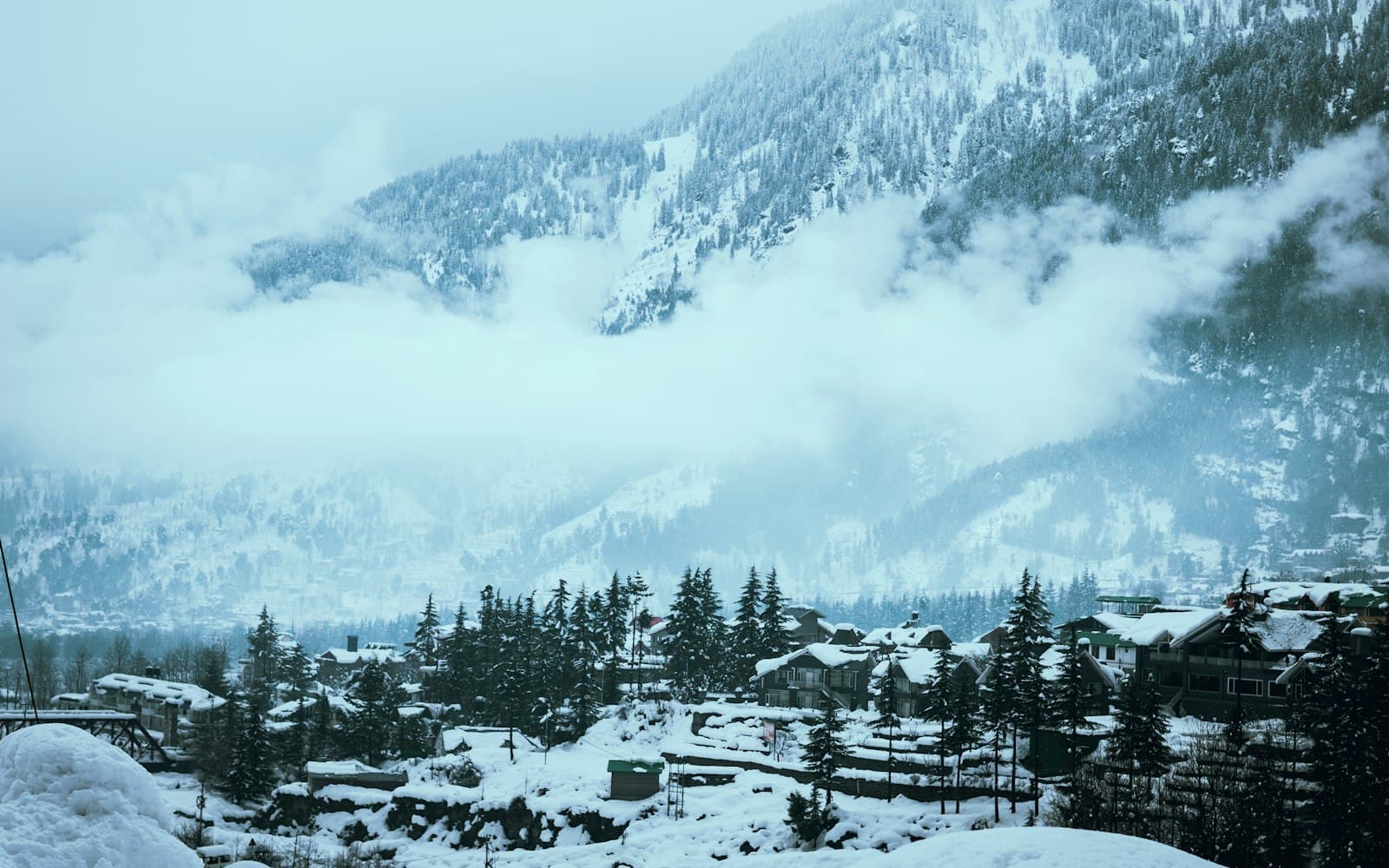
Winter in Manali runs from about mid-December to March. Solang Valley, ~22 km from Manali, is the hub for snow play and beginner skiing once snow settles (usually January–February). Reliable snow needs a drive up to Solang, Sethan or Kothi. December is hit-or-miss; January and February are the sure bet; March softens fast.
We planted our first apple saplings the same winter we learned how unpredictable snow here really is. Guests arrive in the third week of December expecting a white Solang and sometimes get brown slopes and a cold wind instead. So before you book the Volvo and pack the woollens, let us walk you through what winter actually delivers on the Kullu–Manali–Solang axis — the same rundown we give at our breakfast table.
When the snow actually arrives (and where)
This is the thing nobody tells you: Manali town, at roughly 2,050 m, does not get dependable snow. It gets a couple of pretty snowfalls a season, they melt in a day or two, and the roads turn to slush. The snow you came for lives higher up. Our flagship home at Badgran sits about 14 km south of town on the highway, and our Shanag home is 4–5 km north toward Old Manali and Solang — Shanag is noticeably closer to the snow line, and in a good year the orchard lawns there hold a white cover for days.
For guaranteed snow you drive up. Solang Valley (~2,560 m, about 22 km / 45–60 min from town) is where the ski slopes and snow-play operators set up. Kothi and the stretch toward the Atal Tunnel south portal (~3,000 m) usually hold snow when Solang is patchy. Sethan, a Buddhist hamlet about 12 km from Manali up past Prini, sits around 2,700 m and is the quiet snow-trek and igloo base. The pattern most years: first real snow late December, slopes properly open through January and February, everything getting slushy and unreliable by mid-March.
Skiing and snow play at Solang
Let's be straight about the skiing. Solang is not Gulmarg or Auli. What you get is a short beginner slope, an instructor holding your poles, and 20 minutes of falling over while your family films it. That is genuinely fun, and it's the right expectation. Serious skiers head to Auli or fly abroad; families and first-timers have a lovely morning at Solang.
Rates are negotiated on the spot and vary wildly with crowd and season, so treat these as honest ballparks, not fixed prices:
- Basic skiing with gear and an instructor: roughly ₹800–1,500 for a short beginner session. Agree the time and what's included before you start.
- Snow tube / snow scooter / a ride on the slopes: ₹300–600 a go.
- Solang ropeway (cable car) up toward the higher point: around ₹500–700 per adult, weather permitting.
- Zorbing (rolling downhill in a giant ball) when the slope is right: ₹500–900.
- ATV / snow bike short loops: ₹300–500.
Paragliding also runs at Solang outside heavy-snow days — a short joyride is roughly ₹1,500–2,500 and the longer high-altitude flight climbs well past that. In deep winter, snow and wind often ground it, so don't build your day around it. Our travel desk at either home can call ahead in the morning and tell you whether it's flying before you make the drive.
“Go up to Solang early. By 11 am the highway from Manali is a slow crawl of taxis and the good snow patches are crowded and churned to grey slush. We send our guests off by 8 with a flask of kahwa and hot aloo parathas from the kitchen, and they're usually back for a late lunch, cheeks red, before the afternoon jam.”— A note from the hosts
Snow treks and the Sethan igloo stays
If you want snow without the ropeway queues, the Sethan side is the answer. Sethan gets proper powder in January and February, and local operators build igloo camps there — you can do a day visit or an overnight igloo stay. It's a real experience: sub-zero nights, thick sleeping bags, hot food carried in. Manage expectations on comfort — an igloo is cold and basic by design, not a heated cabin. Overnight igloo packages run in the ₹3,500–6,000 per person range depending on operator and inclusions.
For snow trekking, the accessible winter options from the Manali side are short and beginner-friendly rather than the big passes:
- Sethan snow trek — a few hours of walking on snow to viewpoints above the hamlet, doable for reasonably fit first-timers with proper shoes.
- Hamta / Chika basin lower approach in early winter — beautiful but check conditions; the full Hampta Pass is a summer trek, not a winter one.
- Jogini Falls from Vashisht — a gentle 45-minute hike that half-freezes in deep winter, lovely and low-risk if the path isn't iced over.
- Lamadugh trail from Old Manali — a forest walk that becomes a light snow trek higher up once cover sets in.
The big high-altitude treks — Bhrigu Lake, the full Hampta Pass — are firmly off-season in winter. Deep snow, avalanche risk and closed approaches make them a May-to-October affair. Anyone offering you a casual winter Bhrigu Lake trek is not being honest with you. We'd rather lose the booking than send a guest somewhere unsafe.
What's realistic, month by month
December — the gamble
Early December is often brown and crisp, with daytime temperatures around 8–12°C in town and nights near or below freezing. The first big snowfall can land anywhere from mid-December to Christmas — some years it's a white New Year, some years the snow holds off. If you come in December, come for the mountain quiet, the bonfire, and the chance of snow rather than the certainty of it. Solang may have thin cover you'll need to drive above to find.
January to February — the real winter
This is the window. Solang and Sethan hold snow, the ski operators are fully set up, and fresh snowfall is common. Town temperatures sit roughly 1–8°C by day and regularly drop to -2 to -5°C at night; higher up it's colder. Roads can close briefly after heavy snow — the Manali–Solang stretch is usually cleared within hours, but keep a buffer day and don't plan a tight itinerary. This is also when snow views from bed become real; on clear mornings the sun hits the rooms and the peaks glow before you've finished your first cup of tea.
March — the melt
By March the snow starts pulling back to the higher slopes. Early March can still surprise you with a fresh fall; late March is more about clear days, melting patches and the first hints of spring in the valley. Skiing gets slushy and hit-or-miss. It's a fine time for people who want cold, bright weather and fewer crowds rather than guaranteed deep snow.
Gear, clothing and rentals
You do not need to buy expensive snow gear for a Manali trip. Rental shops in Manali town, along the Mall Road area and up at Solang itself, hire out the snow suit, gumboots and gloves you'll want for a day in the snow — the full kit is usually ₹200–400 for the day. Ski equipment and instruction come bundled from the Solang operators, so you don't rent skis separately.
What to bring from home: proper layers (thermals, a fleece, a windproof outer), a warm cap and gloves, good grippy shoes, lip balm and a strong moisturiser (the dry cold cracks skin fast), and sunglasses — snow glare is real and surprisingly harsh. If you're travelling with pets, both our homes are pet-friendly, but pack a coat for a short-haired dog; the nights are genuinely cold and the orchard frosts over.
- Rent at Solang, not in town, if you only need gear for the slope day — it saves lugging a wet snow suit back down.
- Waterproof your feet. Wet socks at -3°C ruins an afternoon faster than anything.
- Carry cash. The snow-play operators and small rental shops rarely take cards, and mobile network can drop above Solang.
Safety on ice — the part we insist on
The prettiest winter mornings hide the real hazard here, and it isn't the snow — it's the ice. The orchard road at our Shanag home ices over on cold nights and the highway shaded patches near Badgran can be slick before the sun reaches them. Every winter, more injuries come from slips and skids than from anything on the slopes.
- If you're self-driving, carry snow chains from December to February and know how to fit them — the Manali–Solang road and the tunnel approach can require them without warning. Better still, hire a local driver who does this stretch every day.
- Never drive onto fresh snow or ice at speed. Black ice on shaded curves is the classic Manali winter accident.
- On snow treks, go with a local guide, start early, and turn back if the weather closes in. Whiteouts come fast and the light goes by 5 pm.
- Check the Atal Tunnel and Rohtang status before planning anything toward Sissu or Lahaul — both close on heavy-snow days, and the tunnel has its own traffic rules.
- Keep a buffer day in your plans. If a snowfall shuts a road, you want to be relaxed about it, not stressed about a return flight.
None of this is meant to scare you off. We drive it all winter and so do thousands of guests. It just rewards a little caution and a slow morning start — which, honestly, is how we'd want you to spend winter here anyway: unhurried, warm, with the kitchen sending out something hot before you head into the cold.
How we'd build your winter day from here
A good winter day from either of our homes looks like this: breakfast early, drive up to Solang or Sethan for snow before the crowds, come back down by mid-afternoon as the roads warm, and thaw out by the bonfire while the kitchen works on dinner. From Badgran you're 14 km south of town, so factor the extra highway time up to Solang; from Shanag you're already on the northern, snow-ward side and closer to the action. Either way, tell us your dates and how deep-into-the-snow you want to get, and we'll shape the day around what the mountain is actually doing that week — because in winter, it changes fast.

Written by the family that runs Persimmon Farmstead — the two boutique hotels near Manali. We write about the valley the way we'd tell a friend at the kitchen table.
Good to know
Is there guaranteed snow in Manali in December?
No. Manali town rarely holds snow, and December is unpredictable — the first big snowfall can land anywhere from mid-December to New Year, or hold off entirely. For reliable snow you drive up to Solang (~22 km) or Sethan. January and February are the dependable months; if you want certainty, come then rather than in early December.
Can beginners ski at Solang Valley?
Yes. Solang is a beginner-friendly snow slope, not an advanced ski resort. Operators provide gear and a short instructor-led session for roughly ₹800–1,500, ideal for first-timers and families. Serious skiers usually prefer Auli or Gulmarg. Skiing is best in January and February, when the slope has settled snow; by March it turns slushy and unreliable.
What does an igloo stay near Manali cost and where is it?
Igloo stays are built by operators in Sethan, a hamlet about 12 km from Manali at roughly 2,700 m, during January and February. Overnight packages generally run ₹3,500–6,000 per person depending on inclusions. Expect a genuinely cold, basic experience — thick sleeping bags and hot food carried in, not a heated cabin. Book ahead, as capacity is limited and weather-dependent.
Do I need snow chains to drive around Manali in winter?
For the Manali–Solang road and the Atal Tunnel approach in December to February, yes — carry snow chains and know how to fit them, as conditions can require them without warning. Black ice on shaded curves is the main winter hazard. Most guests avoid the stress by hiring a local driver who runs the route daily; our travel desk can arrange one.
Are the big treks like Hampta Pass and Bhrigu Lake open in winter?
No. Hampta Pass and Bhrigu Lake are summer-to-autumn treks (roughly May to October). In winter, deep snow, avalanche risk and closed approaches make them unsafe. Winter trekking near Manali means shorter, lower options like the Sethan snow trek, Lamadugh, or the Jogini Falls walk — always with a local guide and an early start.
Tell us your dates. We'll confirm, personally.
You send a request, a real host confirms it by WhatsApp — usually within a few hours.