
Kasol & Manikaran from Manali: An Honest Day-Trip Guide to the Parvati Valley
Almost every week between April and October, someone at breakfast asks us the same thing: "Is Kasol worth doing as a day trip from here?" Our honest answer depends on which of our two homes you're waking up in, what time you're willing to leave, and whether you actually want to see Kasol or just tell people you did. So here is the version we give guests over the second cup of coffee, with the real distances, the real drive-times, and the things nobody mentions until you're already on the road.
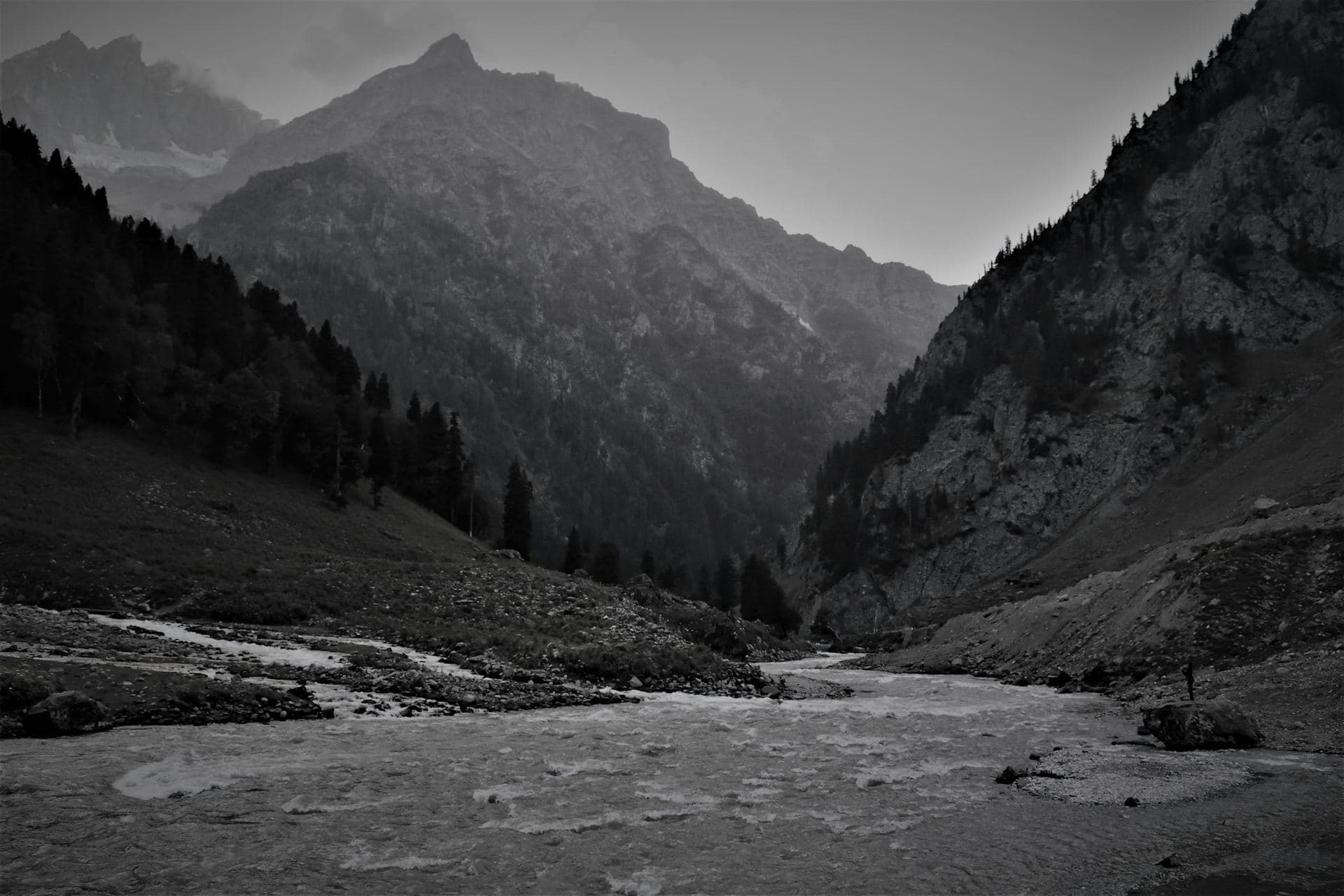
The short of it: the Parvati valley is a genuinely different landscape from the Kullu-Manali corridor you'll have driven up. The Beas gives way to the Parvati river, the pine thins into deodar and deodar into steep deodar-and-boulder gorge, and the crowd shifts from Indian family tourism to a long-running Israeli-and-backpacker scene that has shaped the cafes, the menus, and frankly the smell of certain lanes. It's worth seeing. Whether it's worth seeing in a single day is the real question.
The distance and the drive — what "75 km" actually means here
On a map it's roughly 75 km from Manali town to Kasol, and if you plugged that into a highway calculator anywhere else in India you'd budget 90 minutes. Do not do that here. Realistic driving time is 2.5 to 3 hours each way, and in peak season (mid-May to early July, and the September-October long weekends) the last stretch can blow past that.
The route runs back down the Kullu-Manali highway — the same road you came up on — to Bhuntar, which sits at the mouth of the Parvati valley about 50 km south of Manali. Bhuntar is where Kullu's airport is, and where you turn left (east) off the main highway onto the Parvati valley road. From Bhuntar it's another 30-odd km up to Kasol, and this is the slow part: single-carriageway, blind curves above the river, and frequent stretches where a bus and a truck meeting head-on brings everyone to a halt for ten minutes.
From our Shanag house near Bahang, which is 4-5 km north of Manali toward Solang, add another 20-25 minutes at the start because you're driving the wrong way first — down through Manali town, and Manali town traffic between roughly 11am and 6pm in season is its own small tragedy. From our Badgran house at 14 Mile you're already 14 km south of Manali on the highway, which quietly saves you the worst of that town crawl. We point this out to Badgran guests all the time: you have a genuine head start on the Parvati valley.
Two ways to do the drive
- Self-drive or your own car: fine if you're comfortable with hill roads and a bit of horn-and-nerve overtaking. Fuel up at Bhuntar — it's the last dependable pump before you commit to the valley. Parking in Kasol is tight; you'll pay a small daily parking fee (roughly Rs 100-200) and may have to walk a few minutes to the cafes.
- Hired taxi from Manali: a full-day Manali-Kasol-Manikaran round trip by taxi typically runs around Rs 4,500-6,500 depending on season, vehicle, and how hard you bargain. Agree the itinerary and the return in writing before you leave. We can help arrange a driver we trust rather than a random stand taxi — just message us.
- Bus: HRTC and private buses run Manali-Bhuntar-Kasol. Cheapest by far (a few hundred rupees), but it turns a day trip into a long, tiring day with fixed timings. We only recommend the bus if you're staying overnight in the valley, not day-tripping.
Manikaran — the reason we tell people to go past Kasol
If you only have time for one stop, we quietly steer people to Manikaran rather than Kasol itself. It's a further 4 km up the valley from Kasol, maybe 15 minutes more driving, and it's the more singular place. Manikaran sits at about 1,760 m and is built around natural hot springs that come out of the ground genuinely scalding — hot enough that the langar (community kitchen) at the Gurudwara Sri Guru Nanak Dev Ji cooks rice and dal in the spring water. That's not a tourist gimmick; you can watch cloth bundles of rice being lowered into the boiling pools.
It's a rare spot that is sacred to both Sikhs and Hindus at once. There's the large Gurudwara and, a short walk away, the Shri Raghunath temple and other shrines, plus separate hot-water bathing enclosures for men and women. The Gurudwara runs free langar — a hot vegetarian meal served to anyone, and it's genuinely one of the better meals-with-a-view in the valley if you go in with the right respect.
Practical notes for Manikaran: cover your head (scarves are usually available at the entrance), remove shoes before the Gurudwara and the springs, and there's a shoe-deposit counter. The bathing spring water is very hot — test before you get in and don't put children straight into it. The lanes are narrow, steamy, and crowded, and the bridge over the Parvati back to the parking side is a bottleneck. Give yourself an hour at least; ninety minutes if you want to bathe and eat.
Kasol itself — the cafes, and an honest word on the town
Kasol is small — really just a strip along the road split into Old Kasol and New Kasol, plus the far bank across the river reached by a footbridge. It sits around 1,580 m. What made its name is the cafe culture: a genuinely good, long-established scene of Israeli, Italian, and cross-continental food that grew up around decades of backpacker traffic. When it's good, it's very good. Shakshuka, hummus and pita, wood-fired pizza, trout from the river, Nutella everything, and cold coffee served slowly on cushions overlooking the water.
A few places we and our guests come back to, though menus and ownership shift year to year, so treat these as directions of travel rather than gospel:
- Evergreen and The Evergreen Cafe area — the classic Kasol backpacker breakfast, generous portions, riverside seating.
- Moon Dance Cafe — long-running, reliably good Italian and Israeli plates; busy, so expect a wait at lunch.
- Jim Morrison Cafe (up toward Chalal) — a walk to get to, which is exactly the point; quieter, with a view.
- German Bakery-style spots — good for coffee, baked goods, and an inexpensive sit-down when the full cafes are packed.
Budget roughly Rs 300-600 per head for a proper cafe meal with a drink — more if you order the trout or a full spread. It's not expensive by city standards, but it's dearer than a dhaba, and you're paying partly for the cushion and the river.
Now the honest part, because we'd rather you hear it from us. Kasol has a well-known association with charas and the wider Parvati "stoner" scene, and in peak season parts of the strip can feel less like a mountain village and more like a slightly grubby music festival that never packed up. If you're coming for clean deodar quiet, Kasol in June at 3pm is not it. Cannabis is illegal in India and the police do run checks in the valley — we mention this plainly to younger guests, not to lecture, but because a spoiled trip is a bad souvenir. The valley is also where the annual monsoon news stories about missing foreign trekkers come from; the higher Parvati trails are serious, not casual.
When to go — month by month
The Parvati valley reads the seasons a little differently from our orchards because it's a deep river gorge, so it holds heat in summer and damp in monsoon.
- April to mid-June: the sweet spot. Kasol daytime around 18-25°C, comfortable, rivers full from snowmelt and loud, cafes open and staffed. Go early in the day to beat both traffic and crowds.
- Mid-June to mid-September (monsoon): we're cautious here. The Parvati road is prone to landslides and shooting-stones after heavy rain, and this is the stretch where the highway can shut for hours. Cafes are quieter and greener, but check conditions the morning you leave — we'll tell you honestly if we'd go that day.
- Late September to October: our other favourite window. Post-monsoon clarity, cool air (Kasol nights dropping toward 8-12°C by late October), thinner crowds outside the long weekends, the light beautiful. Layers needed.
- November to March: doable but cold and quiet. Kasol can sit near or below freezing overnight, many cafes run half-shut or closed, and higher up there's snow. A crisp, empty, atmospheric version of the valley if that's what you want — but not the buzzing Kasol most people picture.
“A host note: our orchard road at 14 Mile ices over by mid-December, and the Parvati road is colder and shadier still. If you're here in deep winter and set on Kasol, leave by 8am and be back before dark — that gorge loses the sun early and black ice on those curves is not a risk we'd take casually. We'll happily tell you to skip it and send you to the hot springs at Vashisht instead, ten minutes from Manali.”— The hosts
So — day trip or overnight? Our actual recommendation
Here's how we split it for guests. If you're based at our Badgran house and you're an early riser, a day trip genuinely works: leave by 8-8:30am, you're in Manikaran for the late morning, langar and hot springs, drift back to Kasol for a long lunch and a river sit, and you're home for an orchard dinner by 7-8pm. That's a good day. From Shanag it's the same day but tighter, so leave even earlier.
But if what pulls you to the Parvati valley is the trekking or the slower cafe-and-village feeling — Chalal across the footbridge (a gentle 30-40 minute walk), or the bigger day up to Kheerganga and its hot spring — then a day trip from Manali is the wrong tool. You'll spend 5-6 hours in the car to snatch two hours in the valley. In that case do it as a proper overnight from a Kasol or Tosh guesthouse, and come back up to us afterward. A day trip buys you the highlights; it does not buy you the valley.
And the quiet third option we offer more than you'd think: don't go at all. If your Manali week is only three or four days, spending one of them mostly in a car to a place that's busier and grubbier than where you're already staying is a fair thing to skip. There's Solang, Old Manali, the Hampta side, and our own orchard to sit in with a plate of food. We'll never talk you out of Kasol if you want it — but we won't sell it to you either. Message us on WhatsApp the night before with your start point and we'll give you a straight go or no-go for that exact day, weather and all.

Written by the family that runs Persimmon Farmstead — the two boutique hotels near Manali. We write about the valley the way we'd tell a friend at the kitchen table.
Good to know
How far is Kasol from Manali and how long does it take?
It's roughly 75 km, but budget 2.5 to 3 hours each way, not 90 minutes. The route runs down the Kullu-Manali highway to Bhuntar (about 50 km), then east up the single-lane Parvati valley road another 30 km. In peak season (mid-May to early July) that last stretch is slow with blind curves and bus-truck jams. Manikaran is a further 4 km, about 15 minutes, past Kasol.
Is Kasol worth it as a day trip from Manali?
It works if you leave early — by 8 to 8:30am — and want the highlights: the Manikaran hot springs and Gurudwara langar, plus a long cafe lunch in Kasol, back by evening. It's a better fit from our Badgran house, which is already 14 km south of Manali. But if you want the treks (Chalal, Kheerganga) or the slower valley feeling, do an overnight instead — a day trip means 5-6 hours in the car for two hours on the ground.
What is special about Manikaran?
Manikaran, at about 1,760 m, is built around natural hot springs so hot the Gurudwara langar cooks rice and dal in the spring water. It's sacred to both Sikhs and Hindus, with a large Gurudwara, temples, and separate bathing enclosures. The free community meal is one of the best meals-with-a-view in the valley. Cover your head, remove shoes, and test the very hot bathing water before getting in.
When is the best time to visit the Parvati valley?
April to mid-June (comfortable 18-25°C days) and late September to October (clear post-monsoon air, thinner crowds) are the two best windows. Be cautious during monsoon (mid-June to mid-September) as the Parvati road is landslide-prone. Winter is cold, quiet and atmospheric but many cafes half-close, and the shaded gorge road can ice over — leave early and be back before dark.
Tell us your dates. We'll confirm, personally.
You send a request, a real host confirms it by WhatsApp — usually within a few hours.