
Easy Treks & Day Hikes Near Manali: An Honest Guide for Beginners and Families
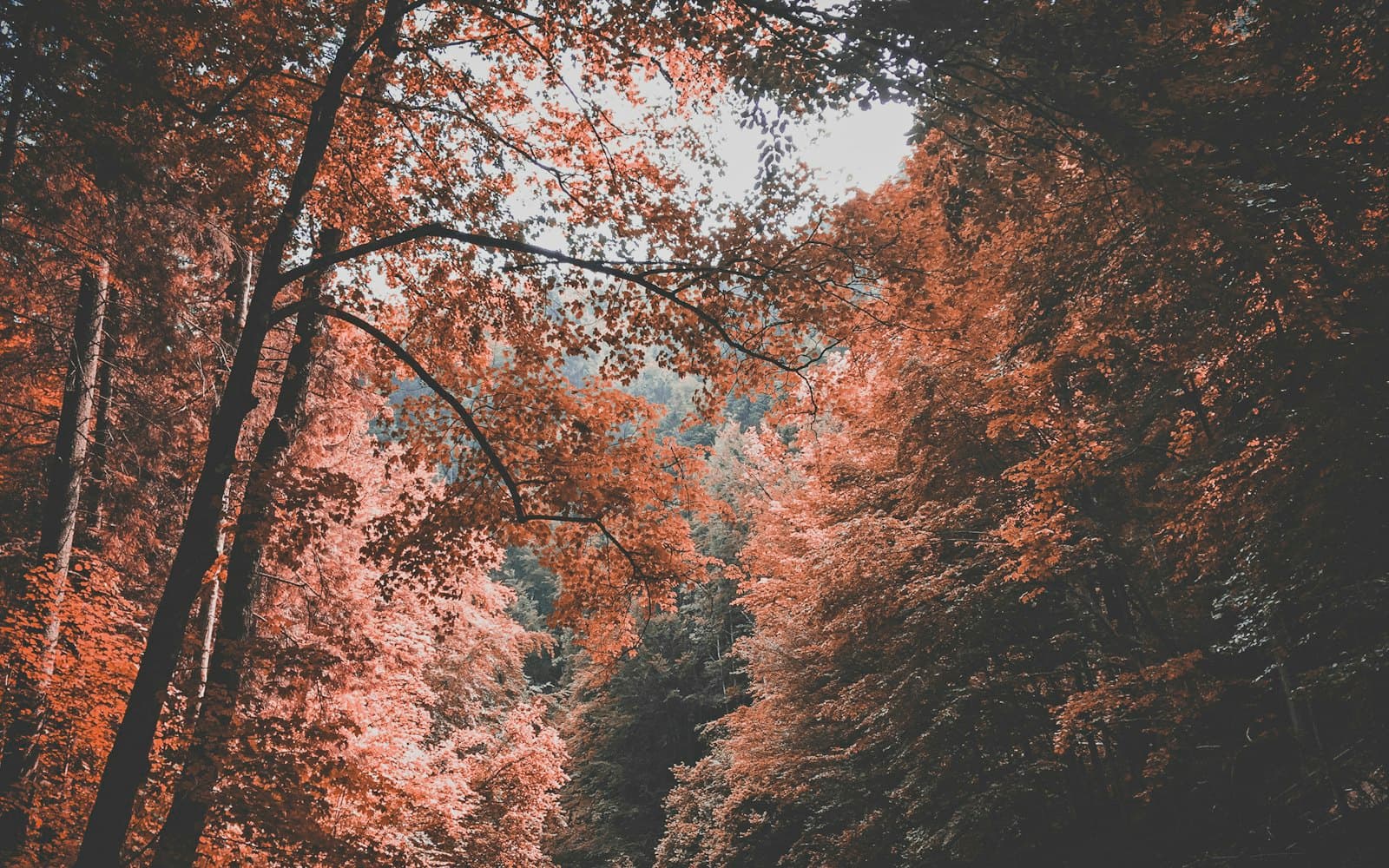
Most people arrive in Manali with a mental list built from Instagram: Solang, Atal Tunnel, maybe Sissu on the far side. Very few realise that some of the best hours you'll spend here cost nothing, need no operator, and start within walking distance of where you're staying. We're a food-first farmstay, not a trekking outfit, but between the two of us we've walked most of these paths a hundred times over — with guests, with our dogs, and on the mornings we should have been answering emails. This is the honest version of what's actually walkable near Manali, sorted by how hard it is and how far you'll drive to reach the trailhead.
A word on altitude first, because it changes everything. Manali town sits at roughly 2,050 m. Our Badgran home at 14 Mile is a little lower, around 1,700 m on the Kullu side; Shanag, up toward Solang, is higher at about 2,200 m. None of these day hikes cross into serious altitude — the highest point most beginners reach is around 3,300 m on the Lamadugh meadow — but if you've flown into Bhuntar or driven up in a single day from Delhi, give yourself 24 hours before you attempt anything with real climbing. The headache that ruins day two is almost always yesterday's overexertion, not the mountain.
The genuinely easy ones (no guide, no permit, half a day)
These are the walks we send first-timers and families on without a second thought. You can do them on your own, turn back whenever you like, and be home for lunch.
Jogini Falls — the beginner's classic
Jogini is the walk everyone should do at least once. The trail starts at Vashisht village, about 3 km from Manali town (a 10-minute drive, or an autorickshaw for roughly Rs 150–200 from the Mall). From Vashisht it's a gentle 1.5–2 km climb through apple orchards and pine to the base of the falls, then a steeper scramble up the right-hand side if you want to reach the upper tiers where the water actually thunders. Budget 45 minutes up at an unhurried pace, longer with children stopping to throw stones in the stream.
The falls are fed by snowmelt, so they're at their most dramatic from May through July and again during the monsoon. In April the flow is thinner but the walk is greener and quieter. There's a small dhaba near the top where a plate of Maggi and a chai costs about Rs 80–120 — overpriced by valley standards, but you're paying for the view. Wear proper shoes: the last stretch to the upper pool is wet rock and people slip on it in slippers every single week.
Old Manali to Manu Temple
This one barely counts as a trek — it's a village walk with a gradient — but it's perfect if you've got an afternoon and don't want to drive. From Old Manali's café strip you climb up through the old stone-and-slate houses to the Manu Temple, dedicated to the sage Manu and said to be the only temple to him in India. It's maybe 1 km of steady uphill on a mostly paved lane, 20–30 minutes at a slow amble. Go in the morning before the cafés fill and you'll have the apple trees and the old woodwork largely to yourself. Combine it with a coffee on the way back down and you've spent a very pleasant three hours without leaving the village.
Orchard and river walks from our doorstep
You don't always need a named trail. From Badgran, our favourite morning loop drops down through the orchard toward the Beas and follows the water for a while before climbing back up through the neighbouring apple terraces — about 40 minutes, entirely flat-to-gentle, and the light on the river before nine is worth setting an alarm for. From Shanag you can walk the quiet upper road toward Kothi and Solang with the Dhauladhar in front of you the whole way; there's very little traffic once you're off the main highway. Guests with dogs love these because there's nothing to summit and nothing to rush. We'll happily draw you a rough map on the back of the breakfast menu and tell you which turning the friendly cows favour.
A step up: half to full-day hikes with real climbing
These need a reasonable level of fitness and a proper early start, but you still don't need a registered operator for any of them. What you do need is water, layers, and honesty about your own legs.
Lamadugh meadow
Lamadugh is our pick for the person who wants to feel like they've done a 'real' trek without committing to an overnight. The trail begins behind the Hadimba Temple area in Old Manali (around 2,050 m) and climbs steadily through thick deodar and oak forest to the Lamadugh meadow at about 3,300 m. It's roughly 6 km one way, and most people take 3 to 4 hours up and around 2 to 2.5 hours back down. That's a full day out — leave by 8 am, carry lunch, and you'll be back by mid-afternoon.
The climb is relentless in the first two hours — genuine, thigh-burning forest switchbacks — before it opens onto the meadow with views across to the Pir Panjal. It's not technical and there's no exposure, but the 1,200-odd metres of ascent will find you out if you've been sitting at a desk all year. From late June the meadow is green and full of wildflowers; by October it's golden and cold. We'd steer families with young children away from this one — it's too long for small legs — but it's ideal for reasonably fit couples and solo walkers.
The Patalsu Peak approach
Full Patalsu (around 4,150 m) is a serious summit and not a beginner's day hike — the final rock section needs care and, in most conditions, someone who knows the route. But the approach is gorgeous and entirely doable as a day walk. Start from Solang village and climb toward the Patalsu ridgeline through pasture and forest; you can turn around at the tree line or the first big meadow and still have had a magnificent morning with the peak looming above you. Treat the summit itself as a guided objective for another trip and enjoy the lower slopes for what they are. Solang is about 14 km from Manali town — roughly a 40-minute drive, and considerably closer if you're staying with us at Shanag.
“A host note, learned the hard way: the mountain weather here turns by early afternoon far more often than people expect. Clouds that were a scenic backdrop at 11 am can be cold drizzle by 2 pm, especially above the tree line. On any of the longer hikes we tell guests the same thing — be walking back down by 1 pm at the latest, whatever the summit is doing. The view isn't going anywhere; you can always come again.”— — your hosts at Persimmon Farmstead
What to actually carry (and what to leave behind)
You don't need technical gear for anything in this guide. You do need a few sensible things, and we've watched enough guests learn the hard way to make this list specific:
- Proper closed shoes with grip — trainers are fine for Jogini and Manu Temple, something sturdier for Lamadugh. Slippers and sliders cause most of the ankle rolls we hear about.
- At least 1.5 litres of water per person. There are no reliable taps on the longer trails, and the streams look clean but we wouldn't drink them untreated.
- A warm layer even in June. At 3,300 m on Lamadugh it can be 10–12°C with a wind while the valley is a sweaty 28°C.
- A light rain shell from mid-June through September. Afternoon showers are the norm in monsoon, not the exception.
- Sunscreen and a cap — the UV at altitude burns you faster than the mild air suggests, especially April to June.
- Cash in small notes for dhabas and the odd parking fee. Card machines and reliable network vanish quickly once you leave the highway.
Leave behind the idea that you need to hire a guide for any of these. Jogini, Manu Temple, the orchard walks, Lamadugh and the Patalsu approach are all self-navigable in clear weather — the paths are well trodden and you'll usually meet other walkers. We only recommend a local guide for the actual Patalsu summit, any overnight into the Chandrakhani or Bhrigu Lake country, or if you're walking outside the main season when snow can hide the trail.
Month by month: when to walk what
Season matters more than difficulty for planning a comfortable day. Here's how the year actually looks on the ground rather than on a brochure.
April to mid-June is the sweet spot for the forest and meadow hikes. Daytime temperatures in the valley sit around 18–25°C, the orchards blossom and then leaf out, and Lamadugh becomes walkable as the snow retreats — though patches can linger on the higher meadow into early June some years. This is also peak tourist season, so start early to beat both the heat and the crowds at Jogini.
Mid-June to September is monsoon. The lower walks — Jogini, Manu Temple, our orchard loops — stay perfectly doable between showers and the whole valley is at its greenest. But the longer forest trails get slippery and leech-prone, and we'd think twice about Lamadugh on a heavy rain day. Landslides can briefly close highway sections too, so keep plans flexible. Jogini itself is spectacular in monsoon, in full roaring spate.
October and early November is, quietly, our favourite hiking window. The air is crisp and clear, the crowds thin out after the October holidays, valley temperatures drop to a fresh 10–20°C, and Lamadugh turns gold. Carry an extra layer because mornings and the higher ground get cold fast.
December to March brings snow. The high meadows are out of reach for casual walkers, and even our own orchard road at Badgran ices over by mid-December and stays treacherous in patches until February — we grit the steep bit but drive it carefully. This is the season for short village walks, Jogini's lower section on a clear day, and long lunches by the fire rather than ambitious climbs. If snow-walking is the whole point of your trip, tell us and we'll point you to where it's safe underfoot.
Getting to the trailheads without a car
If you haven't driven up, distances and transport costs are worth knowing. From Manali's Mall Road, an autorickshaw to Vashisht (for Jogini) runs about Rs 150–200; to Old Manali (for Manu Temple or the Lamadugh trailhead) around Rs 100–150. A full-day taxi to Solang and back, which covers the Patalsu approach, is roughly Rs 1,800–2,500 depending on waiting time and your bargaining — always agree the fare before you set off, as meters are largely theoretical here. Local buses run to Vashisht and Solang for a few rupees but on their own unhurried schedule.
Staying with us shortens most of this. From Shanag near Bahang you're already 4–5 km up the Solang road, so the Patalsu approach and Solang-side walks are barely 15 minutes away, and Old Manali's trailheads are a short hop. From Badgran at 14 Mile you're about 14 km south of town — a 30–40 minute drive to the Old Manali and Vashisht trailheads depending on traffic, which does bunch up badly through Manali's centre in peak season. We can always help arrange a reliable local driver rather than leaving you to flag one down; just ask us the evening before over dinner.
Whichever home you choose, the pattern we love is the same: a proper breakfast, an unhurried walk that suits your legs and the weather, and a slow return to the orchard for lunch. The mountains here reward the people who don't try to do everything in one trip. Pick one walk, do it well, and let the afternoon be for sitting under the apple trees. Message us on WhatsApp when you're planning — we'll tell you honestly what's in season and what's worth skipping the week you arrive.

Written by the family that runs Persimmon Farmstead — the two boutique hotels near Manali. We write about the valley the way we'd tell a friend at the kitchen table.
Good to know
Which walk is best if we have young children?
Jogini Falls and the Old Manali to Manu Temple walk are both short, forgiving, and full of things to stop for — streams, apple trees, a dhaba at the top of Jogini. Our orchard loops from either property are flat and completely unpressured, ideal for toddlers and older grandparents alike. Save Lamadugh and the Patalsu approach for when the children are a bit older, as both are long day-hikes with real climbing.
Do I need a guide or permit for any of these?
No permit is required for any walk in this guide, and none of them need a registered operator in clear weather. Jogini, Manu Temple, the orchard walks, Lamadugh and the Patalsu approach are all self-navigable on well-trodden paths. We only recommend hiring a local guide for the actual Patalsu summit, any overnight trek such as Bhrigu Lake, or if you're walking in winter when snow can obscure the trail.
How fit do I need to be for Lamadugh?
Reasonably fit, but you don't need to be a trained trekker. It's about 6 km each way with roughly 1,200 m of ascent through forest, taking most people 3–4 hours up. There's no technical or exposed section, but the sustained climb will find you out if you've had a sedentary year. Start by 8 am, carry water and a warm layer, and aim to be heading back down by early afternoon before the weather turns.
Can we do these walks in the monsoon?
The lower walks — Jogini, Manu Temple and our orchard loops — stay perfectly doable between showers, and Jogini is at its most dramatic in full spate. The longer forest trails like Lamadugh get slippery and leech-prone, so we'd pick your day carefully and avoid them in heavy rain. Keep plans flexible, as monsoon landslides can briefly close highway sections.
Tell us your dates. We'll confirm, personally.
You send a request, a real host confirms it by WhatsApp — usually within a few hours.