
Bhrigu Lake Trek: An Honest Guide from Our Orchard Below Manali
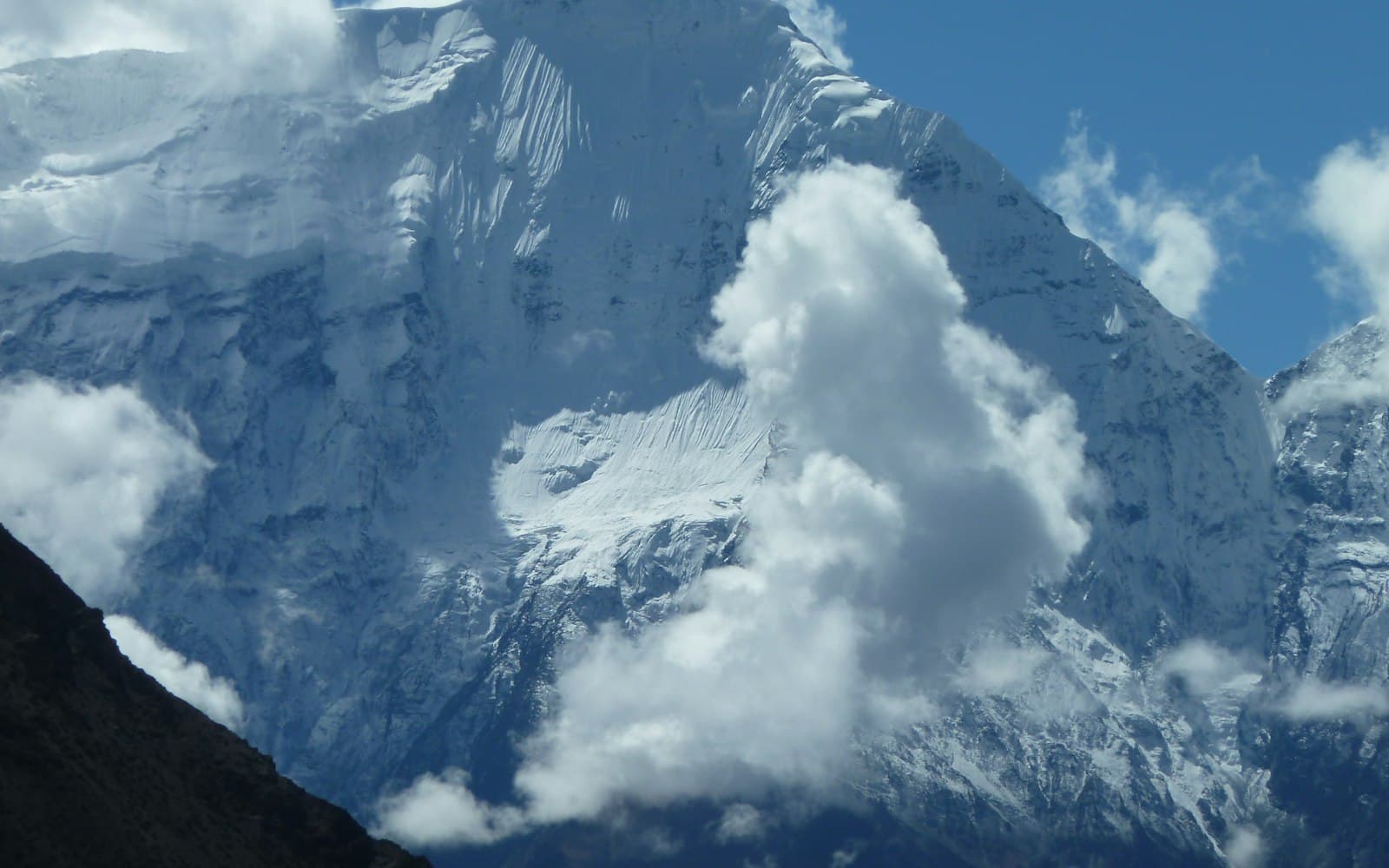
Most people who ask us about Bhrigu Lake have seen one photograph — a sheet of green meadow tipping down to a dark alpine tarn, snow patches still clinging to the ridge behind it in June. It's a fair photograph. It's also missing the two hours of thigh-burning ascent that get you there, and the fact that on a bad afternoon that same meadow is under cloud with sleet coming in sideways. We've had guests come back down to the orchard buzzing, and we've had a couple come back down quietly, having turned around short of the lake because their legs or their lungs said no. Both are honest outcomes. This is the guide we wish those guests had read first.
We run two farmstead homes in the Kullu valley — one at 14 Mile in Badgran, about 14 km south of Manali on the highway, and one at Shanag near Bahang, 4–5 km north of town toward Solang. Bhrigu Lake is one of the few genuinely high treks you can attempt on a short trip from here, because the trailhead is close and the climb is front-loaded. That makes it popular, and it also makes it easy to underestimate. Let's get into the specifics.
Where it is, and what 'the Bhrigu trek' actually means
Bhrigu Lake sits at roughly 4,300m (you'll see figures from 4,240m to 4,350m depending on the source; the lake level shifts with snowmelt, so treat 4,300m as the working number). It lies east of the Rohtang road, above the meadows of Gulaba. The name comes from the sage Bhrigu, who is said to have meditated here; locals from the villages below still regard the lake as sacred, and you'll sometimes see small offerings at the shore. It does not fully thaw until well into summer, and in a heavy-snow year parts of it stay frozen at the edges into July.
There are two common ways up. The first starts from Gulaba (around 3,050m), which is roughly a 45-minute to one-hour drive from Manali toward Rohtang. From Gulaba you climb through forest and then open meadow to a first camp usually called Jondu Nalla or Kulang, around 3,300–3,500m. Day two takes you up to the lake and back. The second, shorter approach starts from Vashisht or Kothi side via the village of Gulaba's upper meadows — but honestly, for most guests the Gulaba trailhead is the standard route, and it's what local operators default to.
You can do it as a long, hard two-day trek or a more sensible three-day one. We push people toward three days when they have the time, and we'll explain why below.
The best season — and the month-by-month reality
The workable window is roughly mid-May to early October, and it's not uniform across those months. Here's what actually happens up there, from what our guests and the guides we send them to report back.
- Mid-May to mid-June: The classic 'snow trek' season. There's still substantial snow above 3,700m or so, the lake is partly frozen, and the meadows are only just greening at the lower edges. Days at the camp can be pleasant (10–15°C in sun) but nights drop to around 0°C or just below, and the final push to the lake often involves walking on firm snow. Micro-spikes are genuinely useful here. This is when the photos look most dramatic.
- Late June to early July: Snow retreats, the meadows turn properly green, and wildflowers start. Daytime is comfortable; nights hover around 3–7°C at camp. This is arguably the sweet spot if you want green grass rather than white snow.
- Mid-July to end-August: Monsoon. This is the one to be careful with. The Kullu side of the Rohtang catches monsoon moisture, so you get frequent afternoon cloud, rain, leeches lower down in the forest, and slippery trails. Views are hit-or-miss. It's not off-limits — some of our guests love the mist — but flexible dates matter and you should expect to get wet.
- September to early October: Our quiet favourite. The monsoon eases, skies clear, the meadows turn gold and rust, and the crowds thin out. Nights get properly cold — down toward 0 to -2°C at camp by late September — but the daytime walking is superb and the air is clean. After the first proper snowfall, usually mid-October, the trek closes for the season.
One local caution: the Gulaba stretch of the Rohtang road is subject to permits and occasional closures, and the road above Gulaba toward Rohtang is a green-tribunal-regulated zone with vehicle caps. Your trek starts below that, at Gulaba itself, so it usually isn't affected — but on days of heavy tourist traffic to Rohtang the drive up can crawl. Start early.
Fitness and acclimatisation — the part people skip
This is where we're going to be blunt, because it matters more than gear. Bhrigu gains altitude fast. You can be sleeping at around 800m in Delhi one night and standing at 4,300m two or three days later. That is a big jump, and altitude does not care how fit you are — a marathon runner and a desk worker are on equal footing when it comes to whether they'll get a headache at the lake.
The trek itself is short but steep. Day one is a real climb through forest and meadow. The summit-day push from camp to the lake is a relentless uphill on open slope with no shade, and at 4,000m-plus your heart rate will spike on gradients you'd stroll up at home. Most reasonably active people manage it; the ones who struggle are usually those who arrive straight from the plains with no buffer day and no cardio base.
What we actually recommend, and what we build into how guests use us as a base:
- Spend at least one, ideally two nights around Manali (2,050m) before the trek. Sleeping a night or two at valley altitude helps far more than people expect. Our Shanag home at Bahang sits a touch higher and closer to the trailhead side, which is why we often suggest it for trekkers.
- Do a gentle warm-up walk the day before — Jogini Falls above Vashisht, or the forest trails near us — to shake out travel legs and check your breathing at altitude.
- Build cardio in the weeks before you come: stairs, hills, long walks with a daypack. If you can climb 40–50 floors of stairs without stopping, you're in decent shape for this.
- Hydrate hard and go easy on alcohol the night before you start. We'll happily send you up with a flask of chai instead.
- Know the AMS signs — persistent headache, nausea, dizziness, breathlessness at rest. The rule is simple and non-negotiable: if it gets worse, you go down. The lake will still be there next year.
“We tell every guest the same thing over breakfast: the trek is a day and a half of walking, but the acclimatisation started the moment you decided to sleep a night with us in the valley first. The ones who rush it from the plains are the ones who don't reach the water.”— Your hosts at Persimmon
The meadows, and what the days actually feel like
The reason Bhrigu earns its reputation isn't really the lake — it's the meadows on the way. Above the treeline the trail opens into wide, rolling alpine grassland that runs for what feels like miles, dotted with shepherd huts and, in July, grazing flocks brought up from the villages. On a clear day you get a long view across to the Dhauladhar and Pir Panjal ranges. It's the kind of open high country that the shorter, more forested treks around here simply don't offer.
A three-day rhythm typically looks like this: drive from us to Gulaba in the morning, trek up to the first camp by early afternoon, rest and acclimatise. Day two is the big one — an early start (05:30–06:00 is normal so you're off the exposed slope before afternoon cloud builds), up to the lake, time at the shore, then back down to camp. Day three is the descent to Gulaba and the drive back to the orchard. The two-day version compresses the lake and the descent into one long, punishing day; it's doable for fit trekkers but leaves no margin for weather or a slow morning.
At the lake itself, don't expect to linger for hours. It's cold, exposed, and the weather can turn quickly. Most groups get their photos, a hot drink, a few quiet minutes at the water, and then start down. That's not anticlimactic — it's how high places work.
Bhrigu versus Hampta Pass — which one, honestly
This is the comparison we get asked about most, because both are famous, both start near Manali, and people can usually only fit one into a trip. They're quite different experiences.
Hampta Pass is a crossing — you go over a pass at around 4,270m and come down the other side into the stark, high-desert Spiti-facing Chandra valley, ending near Chatru. It's typically a four-to-five-day trek, and the whole point is the transition from green Kullu forest to barren Lahaul in the space of a day. There's a genuine journey to it, a sense of going somewhere and not coming back the way you came. But it needs more days, and the far side involves a road exit.
Bhrigu is an out-and-back to a single destination at a similar altitude, done in half the time. It's the better choice if you're short on days, want maximum meadow and a big-altitude payoff without committing a working week, and don't mind returning by the route you climbed. Here's how we'd steer you:
- Pick Bhrigu if: you have 2–3 days, want the alpine-lake-and-meadow experience, and want to be back at a proper bed and a hot dinner quickly. It's the more base-friendly of the two.
- Pick Hampta if: you have 4–5 days, you want a point-to-point adventure with a dramatic change of landscape, and you're comfortable with more consecutive nights in a tent.
- In terms of difficulty they're broadly comparable on the hard days, but Hampta's extra days actually make it kinder on acclimatisation — the altitude gain is more gradual. Bhrigu's shortness is precisely what makes its altitude gain aggressive.
Costs, guides and the practical bits
We don't organise treks ourselves — we're a farmstead, not a trekking outfit — but we know the reliable local operators and we're happy to connect you when you book with us. A few honest figures so you can budget, all approximate and 2026-ish, subject to change:
- An organised 2–3 day Bhrigu trek through a Manali operator, including guide, tents, meals on the mountain and permits, typically runs somewhere in the region of ₹4,000–₹7,000 per person depending on group size and season. Smaller custom groups cost more per head.
- A private taxi from our Badgran or Shanag home to the Gulaba trailhead and back is usually in the ₹1,500–₹2,500 range for the round trip, depending on waiting time — cheaper if you split it. We can arrange a driver we trust.
- Micro-spikes and trekking poles are worth renting in Manali's Old Manali or Mall Road gear shops if you're going in the May–June snow window; rentals are inexpensive, often ₹100–₹200 a day per item.
- Do not attempt this one solo and unguided unless you're an experienced high-altitude trekker with your own kit. The meadows are easy to misread in cloud, and there's no mobile signal for most of the route. Go with a guide.
Getting to us in the first place is straightforward — Manali is a night's drive or a Volvo bus from Delhi (around 12–14 hours by road, 530-odd km), or you can fly to Bhuntar (Kullu) airport, about 50 km / 90 minutes south of Manali, weather permitting. We've written a fuller piece on reaching Manali if you need it.
Why a well-fed base actually changes this trek
Here's the quiet argument for basing the trek at a farmstead rather than a town hotel. Mountain food, however cheerful, is fuel — dal, rice, instant noodles, biscuits. After two or three days of that at altitude, most people come down genuinely depleted. The difference between a good post-trek recovery and a rough one is often just one proper meal and one good night's sleep at a sensible altitude.
So the shape we suggest is this: arrive, settle in, sleep a night or two in the valley and let your body adjust while you eat well. Head up for the trek. Come back down to a real bed, a hot shower, and food cooked in our kitchen — the orchard's own fruit in season, slow breakfasts, and no reason to move for a day. Our guests who build in that recovery day almost always say it was the right call. And if you've brought a dog, they're welcome here too; a lot of people don't realise how few farmstays in the valley can say that honestly.
The lake is the headline. But a trek like this is really bookended by the ordinary comforts on either side of it — and those are the part we can actually promise you'll get right.

Written by the family that runs Persimmon Farmstead — the two boutique hotels near Manali. We write about the valley the way we'd tell a friend at the kitchen table.
Good to know
How difficult is the Bhrigu Lake trek for a first-timer?
It's rated moderate-to-difficult, mainly because of how quickly it gains altitude rather than technical difficulty. A first-timer with reasonable cardio fitness can do it, but the summit-day climb from camp to the 4,300m lake is a steep, unshaded slog. The single biggest thing that helps is acclimatising — sleep a night or two in the valley around Manali first, do a gentle warm-up walk, and go with a guide. Fitness matters, but respecting the altitude matters more.
When is the best time to do the Bhrigu Lake trek?
Two windows stand out. Mid-May to mid-June gives you the dramatic snow-trek experience with a partly frozen lake and firm snow near the top — bring micro-spikes. Late June to early July gives you green meadows and wildflowers with milder nights. September to early October is our quiet favourite: clear skies, golden meadows and few crowds, though nights get cold, near 0°C at camp. Avoid mid-July to August unless you're happy trekking through monsoon cloud, rain and slippery trails.
Should I do Bhrigu Lake or Hampta Pass?
Choose Bhrigu if you have only 2–3 days and want a big-altitude alpine lake and meadow payoff with a quick return to a proper bed. Choose Hampta Pass if you have 4–5 days and want a point-to-point crossing from green Kullu forest into the barren Lahaul valley — a bigger journey, but more days in a tent. Both peak around 4,300m and are comparable in difficulty on the hard days, though Hampta's extra days make acclimatisation gentler.
Can I do the Bhrigu Lake trek from your farmstead as a base?
Yes, and it's one of the treks we most recommend for exactly that. The Gulaba trailhead is roughly a 45–60 minute drive from Manali, so you can leave from our Badgran or Shanag home, trek for two to three days, and return to a hot meal and a real bed. We don't run the trek ourselves but we'll connect you with reliable local guides and arrange a trusted driver to the trailhead. We're also genuinely pet-friendly if you're travelling with a dog.
Tell us your dates. We'll confirm, personally.
You send a request, a real host confirms it by WhatsApp — usually within a few hours.